


What Are Photovoltaic Connectors? Types, Specs & Applications
 420
420Introduction to Photovoltaic Connectors
Photovoltaic (PV) connectors are critical in transforming solar energy into one of the fastest-increasing renewable sources of energy in the world today. A connector is a specialized component that is used in connection with solar panels to inverters, charge controllers, and other balance-of-system devices. Photovoltaic connectors, in contrast to standard electrical connections, have to work under high voltage and in harsh environments of outdoor conditions and must also have the highest possible transfer efficiency.
This guide will discuss the definition of photovoltaic connectors, their key characteristics, types, specifications, and the application of these connectors in solar energy systems in real life. Being a solar installer, an engineer, or just a learner in the various aspects of renewable energy, this article will provide you with a thorough insight into PV connectors.
What Are Photovoltaic Connectors?
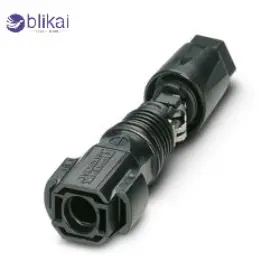
A photovoltaic connector is a type of electrical connector used in PV systems, particularly in connection with solar panels and other components. Its primary purpose is to offer a secure and weatherproof, and low-resistance connection between the panels, cables, and electrical equipment.
PV connectors differ from standard connectors in several ways:
High Voltage Tolerance: They can operate in voltages as high as 1500 V DC.
Durability: Designed for outdoor use, with resistance to UV radiation, dust, moisture, and temperature extremes.
Safety Features: It should have locking features in order to avoid unintentional disconnection.
Low Power Loss: Constructed with materials that minimize electrical resistance for efficient energy transmission.
These features ensure the use of PV connectors in solar power generation, whether in residential or utility-scale applications.
Key Features of PV Connectors
When choosing a photovoltaic connector, certain features stand out as essential for performance and safety:
Weather Resistance: PV connectors Standard PV connectors are capable of operating 20A to 50A, depending on the model, and 600 V to 1500 V DC.
Current and Voltage Handling: Standard PV connectors can handle between 20A to 50A, depending on the model, and voltages ranging from 600V to 1500V DC.
Secure Locking Mechanism: A high proportion of connectors use a snap-in or threaded locking mechanism so that the connector cannot be accidentally removed by vibration, blown in the wind or handled carelessly.
Certification Standards: PV connectors should be reliable, which is not in contradiction to such international standards as IEC 62852, UL 6703 and TUV certification. They check the connectors regarding their safety and durability.
Long Lifespan: An excellent connector should have a minimum of 25 years of life, or as long as the life of the solar panels.
Types of Photovoltaic Connectors
MC4 Connectors
The PV connector that is most commonly used today.
Constructed to be used in single contact use, and, therefore, can be installed easily.
Maximum DC rating of 1500 V. 30A-50A current typically.
It has strong locking tabs and is very reliable.
MC3 Connectors
An older version of MC4, with less secure locking mechanisms.
Commonly used in older PV installations, but is being phased out.
Rated for lower voltage and current compared to MC4.
T4 Connectors
A newer alternative compatible with MC4 in many cases.
Provide similar voltage and current ratings with improved waterproofing.
Often used by specific solar panel manufacturers.
Proprietary Connectors
Some solar companies use custom-designed connectors for their systems.
While they may improve safety and efficiency, they reduce compatibility with other brands.
Photovoltaic Connector Specifications
The performance of a PV connector depends on its electrical and mechanical specifications. Key parameters include:
Current Rating – Usually between 20A and 50A, depending on cable size.
Voltage Rating – Standard values are 600 V, 1000 V and 1500 V DC.
Contact Material – Typically, tin-plated copper or silver alloys for minimal resistance.
Insulation Material – UV-resistant plastic such as polycarbonate or PPO (polyphenylene oxide).
Operating Temperature – Typically -40°C to +90°C, with some rated higher.
Ingress Protection (IP) – Most of them are IP67/IP68, which ensures dustproofing and waterproofing.
These specifications can support safe working in such extreme conditions as in hot deserts or snowy roofs.
Applications of Photovoltaic Connectors
The photovoltaic connectors find application in a very diverse array of solar power systems, including small portable systems and large utility-scale systems. They serve mainly to offer a secure, weatherproof and low-loss connection through which the generated electricity from the solar can pass easily into the system. The primary areas of application of PV connectors that cannot dispense with them are as follows:
Residential Solar Power Systems
The photovoltaic connectors are applied on the home rooftop to connect a series or parallel strings of solar panels. They also attach these strings to inverters or microinverters. Connectors with high quality are important because residential environments frequently subject connectors to different weather conditions: sun, rain, snow, etc. Residential environments tend to expose connectors to different weather conditions, and therefore, high-quality connectors have long-term reliability and safety. Well-selected PV connectors will enable the homeowners to maintain a constant energy flow and ensure maximum ROI.
Commercial and Industrial PV Installations
Sometimes dozens or hundreds of panels are needed on larger rooftops on factories, warehouses and office buildings. In this case, PV connectors are also used to make the installation easy by allowing it to be plug-and-play. They also guarantee uniformity in wiring operations undertaken in large-scale operations, minimizing the time spent on labor and possible mistakes. The industrial environments require connectors that are highly rated and have long life cycles to maintain steady and high volumes of electricity production.
Utility-Scale Solar Farms
Thousands of photovoltaic connectors are spread across big solar farms that produce megawatts of power. They have made the panels and strings work consistently in the challenging outdoor environment. PV with high voltage ratings (up to 1500V DC) and high sealing (IP67/IP68) is required since solar farms may be situated in remote or extreme environmental conditions. These connectors are important because their reliability will directly affect the overall efficiency and profitability of the whole plant.
Off-Grid Solar Applications
PV connectors are also essential in off-grid systems where the end-user relies solely on solar energy to produce electricity. Its use is in rural electrification, remote cabins, telecommunications stations and agricultural pumping systems. Durable connectors are used because, in most cases, there is limited access to maintenance in these regions, and thus, the connectors are durable and can maintain the stability of a system over a long duration without repetitive maintenance.
Portable and Mobile Solar Solutions
Connectors are used in portable solar panels used in RVs, boats, camping, and emergency power backup. Panels can also be connected and disconnected easily by users without any special tools. Their small size ensures that they become convenient in mobile power configurations where flexibility and portable features are required.
Hybrid Energy Systems
PV connectors are used in hybrid renewable energy systems, where solar energy is used together with wind, battery storage, or a diesel backup (among others), to interface the solar modules with the rest of the system. They are easily integrated and are electrically safe and efficient.
Installation and Maintenance Guidelines
Proper Crimping: The termination of the wires should be done using crimping tools that the manufacturer has suggested.
Correct Polarity: When connecting positive and negative terminals to the mains, ensure that they are interconnected in the right way, or it will be destroyed.
Avoid Mixing Brands: Not all connectors are cross-compatible; mismatched connectors may cause overheating or failures.
Inspect Connections Regularly: Jumbled or rusted connections may lead to loss of power or even fire.
Use Weatherproof Covers: The unused connectors must have covers to prevent errors of catching dirt and water.
Following these guidelines ensures long-term safety and reliability of your PV system.
Advantages of Using Reliable PV Connectors
Energy Efficiency – Reduced resistance means less power loss.
Safety – Prevents accidental disconnection, arcing, and overheating.
Durability – Withstands harsh weather conditions for decades.
Scalability – Easy plug-and-play installation makes it simple to expand solar arrays.
Standardization – Ensures compatibility with international PV equipment.
High-quality connectors directly impact the efficiency, safety, and lifetime of a solar energy system.
Future Trends in Photovoltaic Connectors
The solar industry continues to evolve, and connector technology is no exception:
Higher Voltage Connectors: These connectors were created to serve 2000 VDC systems used at utility scale.
Smart Connectors: They have sensors to control the real-time temperature and current flow.
Improved Compatibility: Pressurize universal connector standards among the manufacturers.
Tool-Free Assembly: New designs that do not require special crimping tools to install.
These innovations will make PV systems more efficient, safer, and easier to install.
Conclusion
Photovoltaic connectors prove to be minor yet vital parts by which the transportation of electricity in solar-powered systems is safe and productive. They are durable, weatherproof and offer dependable performance, whether on residential rooftops or on huge solar farms.
The type to be used depends on the requirement and compatibility of the system; it can either be MC4, T4 or any other type. By understanding the details of the characteristics, features, and operation of the solar, the solar professional and the homeowners can also gain a lot as a result of efficient and prolonged energy generation.
Some images are sourced online. Please contact us for removal if any copyright concerns arise.





