


3.7V Batteries: Types, Uses & Maintenance
 1299
1299Introduction
3.7V batteries are a common type of rechargeable lithium-based battery known for their high energy density and stable voltage output. The 3.7 volts is the nominal voltage that refers to the average amount of voltage that is produced by the battery when it is being used under normal circumstances. These batteries tend to be either types of lithium-ion (Li-ion) or lithium polymer (LiPo) batteries, which provide both a lightweight design and smaller size than conventional battery technology. Due to their availability and efficient nature, the 3.7V batteries have been adapted to power most of the portable electronics, as well as emerging technologies contributing to innovation in various small gadgets and electric transportation.
Are 3.7V Batteries the Same as AA?
There is no, 3.7V batteries are not identical to regular AA batteries. Common household AA batteries, as found in a remote control, a clock, or a toy, all have a nominal voltage with alkaline batteries of 1.5 volts or for rechargeable nickel-metal hydride (NiMH) batteries, 1.2 volts. Conversely, 3.7V batteries tend to be Li-ion or Li-polymer cells of significantly increased energy density, converting to more power of reduced or more specific form factor. Physically, 3.7V batteries may be cylindrical, prismatic, or pouch as the battery shape, and AA batteries are standardized to be cylindrical. The electronics could get damaged because of higher voltage due to the use of a 3.7V battery in a device that is expected to run on AA batteries.
Which Batteries Are 3.7V?
Lithium-Ion Cylindrical Cells
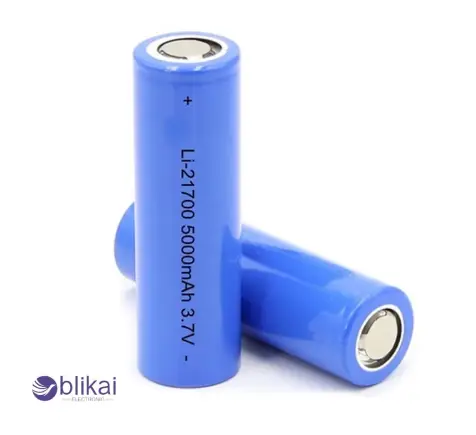
A wide range of rechargeable cells nominally rated at 3.7 volts exists, most of them falling in the lithium-ion (Li-ion) or lithium polymer (LiPo) family. These batteries have the same basic electrochemical principles but are built differently and in different sizes and for different purposes. Cylindrical lithium-ion cells, the so-called 18650 (18 mm diameter, 65 mm length) and 21700 (21 mm diameter, 70 mm length) formats, are among the most familiar.
More Small Cylindrical and Compact Batteries
Besides the large-format cylindrical cells, smaller cylindrical formats are available, such as the 14500 (an externally AA-sized lithium-ion, internally different), and the smaller 10440 lithium-ion cells (AAA-sized). These find regular use in higher-power LED flashlights and specialised electronics. In addition to cylindrical batteries, prismatic batteries are also widely used, especially in portable electronic devices. Pouch cells are particularly popular in smartphones, tablets, drones, and other wearable technologies with their flexible laminated packaging, lightweight, adjustable geometry and high energy-to-weight ratio.
Specialized Applications
3.7V-rated cells are also used in RC vehicles, power banks, portable medical equipment and Bluetooth audio applications because these applications require special characteristics. The choice of battery in such an application is not just driven by voltage, but in terms of capacity, discharge rate, form factor, and safety certifications as well. It should also be mentioned that the nominal voltage is 3.7V, but the lithium-ion or lithium polymer cells usually attain 4.2V when fully charged, then slowly reduce to approximately 3.0V before they need to be charged.
3.7V Battery Size and Model Reference Table
How to Tell if a 3.7V Battery Is Bad?
Performance-Related Symptoms
One of the easiest and most frequent indicators of a faulty 3.7V battery is reduced performance badly which means low run time. When charging and having a full battery, your device is going dead much quicker than it used to; it is most likely that the level of battery capacity has fallen below the usage level. Unstable performance, devices turning off suddenly after reaching a moderate charge level, or great decreases in the battery indicator rapidly are other signs. Such devices as drones, RC cars, and power tools are high-drain devices, so these symptoms can be seen earlier because the capacity loss will become more visible in them.
Physical Condition and Visual Clues
Visual inspection can quickly reveal whether a 3.7V battery has suffered physical damage or chemical failure. Leakage, corrosion on terminals, or discoloration of the casing are also strong indicators of damage. In worst-case scenarios, an impaired battery can present a metallic or chemical odor. In the event of the presence of any of these physicals, then the battery must be handled with caution, segregated away, i.e., away from inflammable materials, and properly recycled within the stipulated procedure on lithium battery recycling procedures.
Electrical Testing with a Multimeter
A good indication of the wellness of a battery is to test its voltage using a computerized multimeter. When it comes to a full charged 3.7V single-cell lithium battery, most people expect the battery to measure 4.2 volts. It may be that there is a strong internal resistance, or the cell has lost capacity, since the reading was largely lower with a recent charge. Voltage drop around a load could also indicate health issues: when the voltage drops drastically when powering a device, then the cell will no longer be able to produce sufficient current.
Thermal Behavior During Use or Charging
Another symptom of possible failure is abnormal heating when the machine is driven or charged. Though minimal heating should occur during large current discharge, any overheating and in particular asymmetrical heating could represent internal reverses and high resistances and even a chemical breakdown. This is particularly dangerous in lithium batteries, as overheating of this type of battery may lead to a chain reaction, called thermal runaway, which may cause fires or explosions. Once you notice a battery that is always hot when discharging the normal load, then it must be replaced.
Self-Discharge Rate
Healthy cells (lithium) are able to store most of the charge even after several weeks or even months without usage. When a battery is stored and loses a large amount of charge in a few days, then it might contain an internal short or degraded separator, each of which considerably impairs safety and performance. The self-discharge testing may be carried out as follows: The battery is fully charged and then is left untouched, followed by measuring the self-discharge condition using the voltage.
How to Properly Use and Maintain 3.7V Batteries
Use the Correct Charger
Charge 3.7V batteries using a charger made to charge lithium chemistry; they should have at least overcharge protection, and preferably every cell in the pack should be charged in a balanced fashion. An overcharge above 4.2V per cell may result in chemical breakdown and increase the chances of swelling or thermal runaway. Similarly, avoid undercharging repeatedly, as this can reduce capacity over time.
Avoid Deep Discharges
Lithium cells have a higher life span when maintained at a moderate state of charge. When a 3.7V battery is damaged, due to overcharging of the battery, it imposes additional stress on the chemicals and may cause permanent loss of capacity should the battery voltage be reduced below 3.0 volts per cell. Provided that, in case you have a low-voltage cutoff feature on your device, ensure that it is enabled to impose no excessive depletion.
Monitor for Signs of Wear or Damage
Always check your battery to ensure that there is no swelling, leakage, or discolouration. Should you experience heat that feels inappropriate during charging or discharging, stop immediately. Batteries must not be discarded in regular garbage like damaged batteries should be recycled by going through an authorized disposal point.
Avoid Physical Stress and Moisture Exposure
Lithium batteries are vulnerable to vibration and moisture. The fall of a cell into the water or simply exposing the cell to water can result in internal shorting or corrosion, in which case the cell is obviously unsafe. In case your battery accidentally falls into the water, it must not be regarded as safe anymore; you will need to choose a new one.
Conclusion
Good stability with high energy density and a small size make 3.7V batteries highly versatile, but sensitive to the way they are properly used, carefully maintained and replaced responsively. It is through stringent maintenance and storage processes that users can optimize their operations, device reliability and minimize impact on the environment by adequately managing the lifecycle of such advanced lithium-based sources of power.
Some images are sourced online. Please contact us for removal if any copyright concerns arise.





