


Car Battery Drain: Causes, Electronic Components & Fixes
 211
211What Is Car Battery Drain?
When the engine is not operating, the stored electrical power in the car battery is drained, which is called drain of the car battery. All vehicles have a small parasitic current being drawn to keep the memory functions active, like the clock, radio presets, security systems and onboard computer. Battery discharge can be accelerated and cause the battery to fail to start the vehicle when current demand is greater than normal, however, because of faulty electronic components or electrical faults.
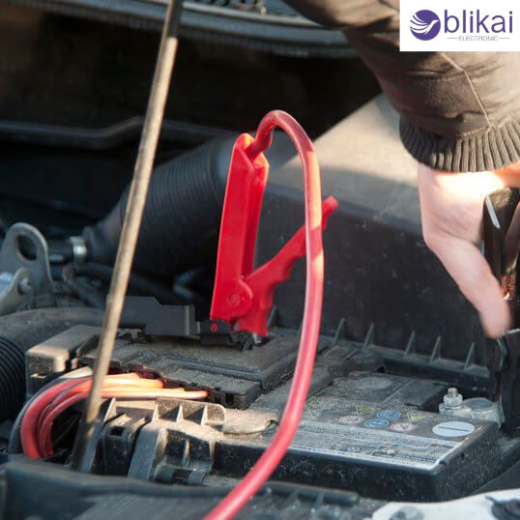
How a Car Battery Works
Chemical to electrical energy conversion takes place in a car battery; this is done using electrochemical reactions between lead plates and sulfuric acid electrolyte. If the engine is not running, the battery provides the high current required to start the engine, as well as power to all of the other electrical systems. The alternator makes electricity once the engine is running and recharges the battery. A fully charged charging system will charge the battery and deliver power to the vehicle electronics.
Signs of a Drained Car Battery
Common signs of battery drain are slow engine start, clicking noises heard when turning the ignition key, headlights dimming, electrical accessories failure, dashboard warning lights or a vehicle that won't start after extended time (overnight) or after multiple restarts. If you need to jump-start more than once, your battery is likely being drained.
Common Causes of Car Battery Drain
Leaving Electrical Accessories On
The most common reason for battery drainage is leaving electrical accessories running with the vehicle's ignition off. The headlights, interior dome lights, trunk lights, infotainment systems, cooling fans and USB power chargers can draw power continuously. A bulb, even if lit for a brief period, say overnight, can draw enough current from the battery to make it difficult to start the engine.
Faulty Alternator
A malfunctioning alternator can contribute to battery drain in two ways. First, it may fail to recharge the battery properly during driving, leaving the battery undercharged. Second, the alternator can have faulty rectifier diodes, which will allow current to flow in the opposite direction when the engine is not running, which will continuously drain the battery. A bad alternator can cause a fully charged battery to run down in a night's sleep in some instances.
Parasitic Battery Drain
Parasitic Battery Drain (PBD) is the condition of excessive current being drawn by an electrical device after the vehicle is turned off. Common causes include faulty control modules, clogged relays, faulty wiring, faulty or aftermarket accessories, and more. Parasitic draw is one of the most difficult electrical issues to troubleshoot, as the draw commonly does not produce any apparent symptoms.
Aging or Damaged Battery
Over time, batteries lose their ability to store and release power. With time, the battery capacity gradually reduced as a result of sulfation, plate corrosion, loss of electrolyte and internal short circuits. An aging battery may discharge more quickly and struggle to maintain voltage even when no abnormal electrical load exists.
Electronic Components That Can Cause Battery Drain
Alternator Diodes
Alternator rectifier diodes (diodes) change the alternating current generated by the alternator into direct current, which can be used by the electrical system in the vehicle. If any of the diodes fail, when the engine stops, the current can flow back into the alternator windings. This leakage causes a continuous drain and gradually drains the battery even while the vehicle is resting.
Relays
Automotive Relays are electrically operated switches designed for circuits that accommodate high current, such as cooling fan, fuel pump, headlights and power accessories. In the case of a relay with welded or stuck contacts, the relay could be continuously energized, which means that electrical devices can continue to function after the ignition has been turned off. These failures can create large losses in the battery.
Control Modules (ECU/BCM)
Modern vehicles have several electronic control units, such as the Engine Control Unit (ECU) and Body Control Module (BCM). These modules are intended to go into low-power sleeping states when the vehicle turns off. There may be problems with the software, communication or hardware, which can result in the modules not sleeping as expected and leading to high current consumption.
Sensors and Switches
If they do not report the correct vehicle status, door switches, hood switches, trunk switches and keyless entry sensors can be culprits for battery drain. For instance, if there is a problem with the door switch, interior lights can stay on when the doors look closed, which will lead to power being consumed all the time.
Aftermarket Electronic Devices
Aftermarket accessories frequently contribute to battery drain issues. Dash cameras, GPS trackers, remote starters, alarm systems, audio amplifiers, and mobile charging devices may draw power continuously if improperly installed. Parasitic drain is a particular problem with devices that are powered by the battery itself, and not by an ignition-switched circuit.
How to Diagnose Car Battery Drain
Checking Battery Voltage
A battery voltage test quickly indicates battery condition. When the battery is fully charged, with the engine turned off, the voltage should be about 12.6. If the voltage is below 12.4V, it means that partial discharge has occurred, and if it is below 12.0V, it indicates that the battery is a deep-discharge battery that requires charging and further inspection.
Performing a Parasitic Draw Test
A parasitic draw test involves connecting a multimeter in series between the battery terminal and battery cable after the vehicle has entered sleep mode. Once all modules shut down, the current draw can be measured accurately. Readings significantly above manufacturer specifications indicate the presence of an abnormal electrical load.
Using the Fuse-Pull Method
The fuse-pull method is one of the most effective ways to locate battery drain sources. After the modules have been turned off, the current draw can be precisely measured. If readings are significantly higher than the manufacturer's specifications, then there is an abnormal electrical load present.
Testing the Alternator
One of the best methods to find sources of battery drain is the fuse-pull technique. Once a fuse has been identified as having too high a current, the fuse is removed one by one, and the current is measured. If a particular fuse has a significant reduction in current draw, the circuit associated with that fuse is the first one to consider for troubleshooting.
How to Fix Car Battery Drain Problems
Replace a Weak or Failing Battery
If tests show other low levels of battery capacity or other damage to the battery, or if the battery is too old, replacement may be required. Working with batteries of the proper group size, cold cranking amps (CCA), and reserve capacity guarantees battery performance.
Repair Faulty Electronic Components
If the source of battery drain is determined, repair or replace any wiring, control modules, sensors, switches, or relays that are faulty. Once the cause is corrected, discharge issues do not reoccur and the electrical system functions properly.
Fix Alternator Problems
Battery drain due to an alternator is usually caused by defective rectifier diodes or by fitting a new alternator assembly. When an alternator has a fault, you can repair it so that it will charge the battery properly, and no reverse current will be lost.
Remove or Upgrade Aftermarket Devices
Aftermarket electronics must be rewired with ignition-controlled circuits or eliminated if not needed. Professional installation ensures that batteries do not cause any installation problems later and helps to make the electrical system more reliable.
Preventing Future Battery Drain
Regular Battery Maintenance
Regular battery care and maintenance involves cleaning terminals, examining cables, measuring voltages, and ensuring proper electrical connections. By conducting preventive maintenance, potential issues can be discovered before the batteries have completely failed.
Inspect Electrical Components Routinely
Regular maintenance checks of the relays, fuses, wiring harnesses, connectors and charging system components can help detect signs of wear, corrosion, or electrical issues early. Regular inspections reduce the likelihood of unexpected battery drain.
Use a Battery Maintainer
Battery maintainers and smart chargers are valuable tools for vehicles stored for weeks or months. These devices help to maintain battery voltage and deliver a controlled charge to prevent deep discharge and loss of battery capacity.
Faq
Can a bad alternator drain a battery overnight?
Yes. Leaky rectifier diodes in the alternator can provide a low current leakage path around the alternator, allowing it to bleed down the battery even if the engine isn't running.
How much parasitic draw is considered normal?
After all systems are in sleep mode, most vehicles run perfectly with parasitic current draw at 20-50 mA.
Can a relay drain a car battery?
Yes. If the relay is stuck on, it can cause a lot of battery loss due to continuously operating circuits.
How do I find a battery drain with a multimeter?
Use a multimeter to take a parasitic current reading in series with the battery, and use a fuse-pull to determine the faulty circuit.
Conclusion
A well-known automotive electrical problem, car battery drain may be caused by damaged wiring, faulty alternator diodes, damaged batteries, aging batteries, or defective relays or control modules installed after the original equipment. It is important to understand the relationship between automotive electronic components and the battery and charging system in order to make a proper diagnosis and repair. With voltage checks, parasitic draw tests and systematic circuit tests, owners and technicians can determine the cause of battery drain and find permanent solutions. With proper electrical system monitoring, regular maintenance, and timely replacement of electrical components, battery reliability can be greatly enhanced, and the dreaded no-start scenario can be avoided.
Some images are sourced online. Please contact us for removal if any copyright concerns arise.





