


What Is a Short Circuit? Causes, Effects, and Prevention
 1295
1295What Is a Short Circuit?
In the case of short circuits, the insulation protecting conductors is usually damaged, or some spurious material creates a bridged pathway, consequently creating a great flow of current within the circuit. Short circuits result from weakened insulation in the wire, physical damage, heat, moisture, or simple aging of electrical components. When the insulation fails or bridges are made, electricity takes the least path of resistance, giving a surging flow of electric current.
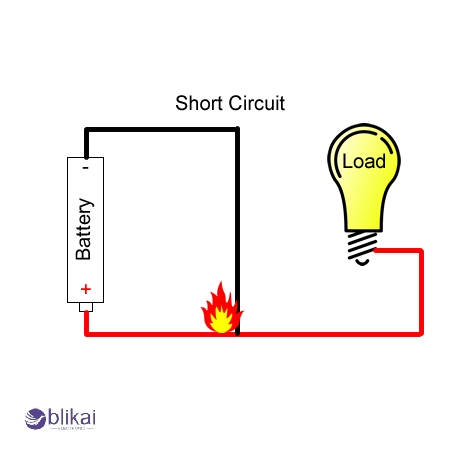
How Short Circuits Occur
Short-circuiting occurs when the insulation material protecting conductors wears out or when a conductive material creates an unintended bridge between circuit components. They may be the result of many causes, including physical damage, heat, moisture, or age of electrical components. Once the insulation fails or a conductive path is created, electricity flows along the least resistant path and results in a sudden increase in current.
Causes of Short Circuits
A. Damaged wire insulation
The insulation that surrounds wires helps prevent electrical connections from shorting out. So if you damaged the insulation, if you will, then the conductive wire core must come in contact with the hot electrical surface. There are several reasons that insulation might fall apart: it might be damaged, it might be old, and it might be subjected to very high or very low temperatures. A tiny nick or cut in the insulation might cause a hazardous condition.
B. Loose connections
Short circuits can also occur when connections are loose. Electric connections can loosen over time due to vibration, thermal expansion, or if they have been incorrectly installed. When the connection loosens up, gaps are created between the connectors, and sparks can transpire due to air passing through, which can ultimately lead to a short circuit.
C. Water Exposure
Water and electricity do not mix well. Water will turn ‘something’ conductive, and electricity will flow along an uninsulated route. This is…when, during flooding, when leaks, or when of occasional humidity in poorly ventilated places, a short circuit occurs.
D. Faulty electrical components
Faulty electrical components — the sort you commonly find in switches or outlets or a circuit breaker — may malfunction and cause short-circuiting. A part is defective due to production defect, wear and tear, or improper installation. It's essential to perform regular maintenance of these components and to modify broken parts as soon as possible for the electrical system to be safe.
E. Overloaded circuits
Overloading occurs when one circuit cannot withstand too many devices taking power from it. Excessive currents can heat wires to the point they burn their insulation and create short circuits.
Effects of Short Circuits
A. Electrical fires
Short circuits can cause catastrophic electrical fires that can be very destructive, risking both property and life. Excessive current on unwanted paths creates extreme heat that may easily ignite the surrounding material. Common culprits include faulty wiring, damaged insulation, or overloaded circuits.
B. Equipment damage
When a short circuit happens, all that extra electricity can mess up your gadgets and appliances. Little parts can fry right away, and then your stuff won't work anymore. Even tougher equipment can get wrecked, and you have to pay a lot to fix or swap it out.
C. Power outages
Short circuits typically trip the circuit breaker or blow a fuse, so you lose power, either in one location or throughout. This can be inconvenient at home and a big problem for businesses and factories. If the problem is severe enough, electrical short circuits continue to spread through the power grid and trigger blackouts over entire neighborhoods or cities.
D. Electric shock hazards
Maybe the most frightening aspect of short circuits is the risk of getting shocked. Yes, if you contact the wrong physical point, the electricity can take a shortcut through you when a short circuit occurs. You might receive a slight tingle or something much worse, like a lethal shock.
Detecting Short Circuits
Visual signs
When a short circuit occurs in the room, you can work out the address sometimes just by gazing around. Check for burned or weird-looking outlets, switches or wires. A melted plastic envelope holding your electrical bits? Not good. You can even see sparks or small flames when you plug something in sometimes. Look if there you see any damaged cords. If the wires are out, there can be a short circuit.
Unusual sounds or smells
Heeding your eyes, ears and nose when it comes to electricity. A buzzing or humming sound coming from an outlet or appliance may indicate a short circuit. Even worse, you may get a popping or crackling noise if you flip a switch or plug something in. Different smells, like burning or ozone, are also indicative of a short circuit, so do not overlook them.
Circuit breaker trips
Your circuit breakers trip frequently, most likely due to a short circuit. They constantly reset because they are defending your home from some threat. Yes, breakers trip from time to time when you overload them, but if they trip continually, that’s a sign that something’s not right and probably needs to be addressed now.
Using multimeters for diagnosis
If you want to be exact, use a multimeter. It measures voltage, current, and resistance. To check for shorts, put it in continuity mode and look for unexpected connections. A zero or near-zero reading where there shouldn't be one means a short. If you don't know much about this stuff, call an electrician.

How to Prevent Short Circuits
Regular Electrical Inspections
Get your home's electrical system checked regularly to avoid short circuits. Have a pro look at it every year to find problems early. They can check for loose wires, insufficient insulation, and old wiring that could be risky.
Proper Electrical Installation
Always get a qualified electrician to do electrical work. Doing it yourself can cause problems and raise the chance of short circuits. If you're adding new circuits or updating old ones, talk to a certified electrician to make sure everything follows the rules and is safe.
Use of Quality Electrical Components
Spend money on good-quality parts and appliances. Cheap stuff is likely to break and cause short circuits. Pick well-known brands and be sure everything meets safety standards where you live.
Avoid Overloading Circuits
Pay attention to how much electricity each circuit is handling. Don't plug too many things that use a lot of power into one outlet or circuit. Use power strips with built-in breakers for extra safety. If you often use extension cords, think about having more outlets put in by an electrician.
Proper Cable Management
Keep cords and wires neat and away from danger. Don't run cords under rugs or furniture because they can get damaged and cause short circuits. Use organizers to keep wires tidy and stop them from getting pinched or worn out.
What to Do When a Short Circuit Happens
Immediate safety measures
If there's a short circuit, safety comes first. Cut off the power right away to the area that's having issues. If you can get to it safely, flip the breaker or take out the fuse for that circuit. Stay away from any electrical stuff plugged into that circuit. If you smell smoke or see fire, get out and call 911.
When to call a professional
Homeowners can fix some small short circuits, but you should know when to call for help. If you don't know what caused the brief, if it keeps happening, or if you see messed up wires or electrical parts, call a licensed electrician. Also, if the short started a fire or did a lot of damage, talk to a pro to make sure your electric system is safe before you use it again.
Documenting the incident
After you've dealt with the immediate safety stuff, write down what happened with the short circuit. Please write down the time, date, and where it happened, plus what you saw before, during, and after. This info can help electricians or with insurance. Take pictures of any damage you can see, but only if it's safe. Keeping track of these things can help you spot trends and stop them from happening again.
Related Articles
556 Timer Circuits: Features, Specification and Applications
What is an Integrated Circuit? Applications, Functions and Types (Guide)
Phototransistor : Circuit Pinout & Principle
What is an Integrated Circuit (IC)? Working, and Types (Guide)





