


Separator in Electronics: Types, Functions & Applications
 7
7What Is a Separator in Electronics?
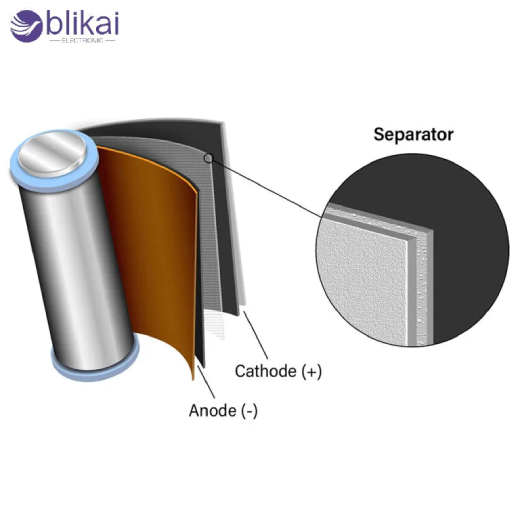
In electronics, a separator is a material or a structure that helps separate conductive parts, prevents short circuiting, regulates ion flow in a system or limits or enhances the thermal or electrical stability of the system. Depending on the use, separators can be utilized as porous membranes, insulating barriers, dielectric layers or mechanical spaces. They play an important role in rechargeable batteries, so that the positive and negative electrodes are not in contact, but can transport the ions together through the electrolyte.
Types of Separators Used in Electronics
Battery Separators
The battery separator is one of the most common separators used in present-day electronic devices. Typically, lithium-ion battery separators are made of a film such as a microporous polyethylene or micro-porous polypropylene film, which allows lithium ions to flow through the film while blocking the flow of electrons. Lead acid battery separators are usually made with absorbent glass mat (AGM) material or a polymer sheet, which ensures a balanced distribution of the electrolyte and increases durability. The synthetic fibers or polymer membranes in nickel-based battery separators provide a stable electrochemical reaction and long operating life.
EMI and Signal Separators
EMI and signal separators help to ensure that electrical noise does not affect the signal or that there is no interference between the circuits or communication lines. These separators are typically found in industrial automation machines, communication devices and data transmission devices where signal integrity is important. For sensitive electronic applications, the use of a transformer, optocoupler or insulating barrier to isolate electronic components can help reduce electromagnetic noise and improve system reliability.
Thermal Separators
Thermal separators are employed in high-power electronics and battery systems to limit heat transfer and to keep the system operating at safe temperatures. The separators are usually made from polymers that can withstand higher temperatures, ceramics or composite materials. In electric vehicles and industrial high thermal generation power modules, thermal separators play a special role in the battery packs.
Mechanical and Insulation Separators
Mechanical separators and insulation separators are used to separate and insulate electronic components. The separators are PCB insulation sheets, plastic barriers, dielectric spacers and high-voltage isolation structures. They help to prevent electrical arcing, minimize vibrations and enhance the strength of electronic assemblies in power supplies, control systems and industrial machinery.
How Battery Separators Work
Structure of a Battery Separator
Typically, the battery separator is a thin porous membrane between the anode and cathode in the battery cell. The membrane is made to be permeable to ions to permit their flow into and out of the electrolyte, but it isn't permeable enough to allow the electrodes to come in contact. It is essential for achieving electrochemical reactions to be safe and efficient during battery operation.
Ion Flow and Electrical Isolation
Ion flow is facilitated, and layers remain electrically isolated thanks to the battery separators. Lithium ions or other charge carriers pass through the pores of the separator during charging and discharging. The function of the separator is to prevent internal short circuits between the electrodes and allow a controlled energy transfer in the battery.
Separator Shutdown Mechanism
A thermal shutdown mechanism, which enhances the safety during overheating, is included in many advanced battery separators. As the temperature of the battery increases above the safe level, the pores of the separator start to close, which decreases the ion transport and slows the electrochemical reaction. This shutdown feature will prevent catastrophic failure of the battery, fire, and thermal runaway in high-energy systems.
Applications of Separators in Electronics
Consumer Electronics
Smartphones, laptops, tablets, smartwatches and wireless devices with rechargeable lithium-ion batteries are major applications of separators. These separators enhance the safety of batteries, increase the cycle life, and also enable the miniaturization of the battery design needed for portable consumer electronics. High-quality separators also contribute to faster charging and more stable device performance.
Electric Vehicles (EVs)
In the case of EVs, advanced separator technology guarantees safety and efficient large lithium-ion battery packs. The reliability of the separator is extremely important in the operation of EV batteries, which are subjected to high current loads and high temperatures. For EV applications, ceramic-coated and multilayer separators are typically employed to mitigate the thermal risks and increase the ability of battery durability under stress driving conditions.
Renewable Energy Storage Systems
The reliable operation of renewable energy systems such as solar storage batteries, uninterruptible power supplies (UPS), etc., relies heavily on separators. Separators are key in stationary battery applications for stabilizing the cycle, preventing any internal damage, and improving the energy efficiency of the battery over time. Such systems require separators to perform several charge cycles and withstand environmental changes.
Industrial and Medical Electronics
In industrial automation equipment and medical devices, separators are widely used to provide electrical insulation, signal isolation and battery safety. Reliable separators are essential in the medical electronics sector to guarantee the safe functioning of several medical devices, such as portable monitoring devices, infusion pumps, and diagnostic systems. Separators are also very important in industrial control systems to reduce electrical noise and increase the stability of operation.
Advantages of High-Quality Separators
Quality separators provide for a longer battery life, better energy efficiency and greater overall safety of an electronic system. They can lower the internal resistance, prevent thermal runaway and ensure stable charge-discharge performance. Advanced separators also provide enhanced fast charging, operational reliability, and lifespan of consumer electronics, electric vehicles, and industrial energy storage solutions.
Common Problems Related to Separators
Separator Shrinkage
Separator shrinkage occurs when excessive heat causes the separator material to contract or deform. This can reduce electrical isolation between electrodes and increase the risk of internal short circuits. Poor thermal management and low-quality materials are common causes of separator shrinkage in battery systems.
Internal Short Circuits
A short circuit inside the cell can happen if the separator breaks down and separates the conductive layers. If the electrodes accidentally short out (due to physical puncture, manufacturing defect or deterioration of the material), the thermal effect can cause battery swelling, overheating, or fire. To avoid such failures, a reliable separator design is essential.
Poor Electrolyte Absorption
Any separator that cannot absorb and retain electrolyte efficiently will not transport the ions as efficiently, and battery performance will diminish. The poor electrolyte wettability can cause less capacity, unstable charging behavior and shorten the lifespan of the battery. Coatings in separators are usually highly advanced to enhance electrolyte compatibility.
Aging and Material Degradation
The separator materials can be destroyed by repeated thermal stress, chemical reactions and mechanical wear over time. Over time, separators may become depleted of their porosity, brittle or become structurally damaged, negatively affecting battery safety and performance. Long-term degradation can be reduced using high-quality materials and suitable operating conditions.
Separator vs Insulator: What Is the Difference?
Functional Differences
A separator and an insulator are both used to prevent undesirable electrical contact, but they do so in different ways. In batteries, for example, ions can move in a controlled manner with a separator, whereas an electron will not flow. An insulator is a material that does not conduct electricity at all and is usually employed for electrical safety and protection.
Application Differences
The primary applications of separators are in batteries, electrochemical systems and in some signal isolation applications, where controlled transfer processes are required. Insulators are typically used in electrical wiring, transformers, printed circuit boards (PCB) and high voltage equipment to ensure full electrical isolation.
Performance Comparison
Separators need to be good conductors of ions, porous, thermally stable, and mechanically strong, and insulators need to have a high dielectric strength and resist electrical breakdown. This difference makes separator design more complex in energy storage applications where both safety and conductivity are required simultaneously.
FAQ
What happens if a battery separator fails?
In the event of a separator failure, it may lead to internal short circuits, overheating, battery swelling, performance degradation or even fire.
What is the difference between a separator and an insulator?
A separator allows the ions to pass but does not allow the electrons to pass, and an insulator will not allow the ions or the electrons to pass.
Are ceramic-coated separators better?
Ceramic-coated separators offer higher thermal stability, increased mechanical strength and enhanced safety for high-performance batteries.
Conclusion
To achieve these goals, separators are an essential component to the various parts of electronic systems, enhancing safety, electrical isolation, thermal stability and energy efficiency. With the development of modern electronics, separator technology has developed in parallel from Li-ion batteries and electric vehicles to industrial electronics and renewable energy storage systems. With the growing need for safer and more powerful energy storage solutions, advanced separator materials and designs will continue to play a crucial role in the future of electronic innovation.
Some images are sourced online. Please contact us for removal if any copyright concerns arise.





