


Isolation Transformer Explained: Working, Uses & Safety
 523
523What Is an Isolation Transformer?
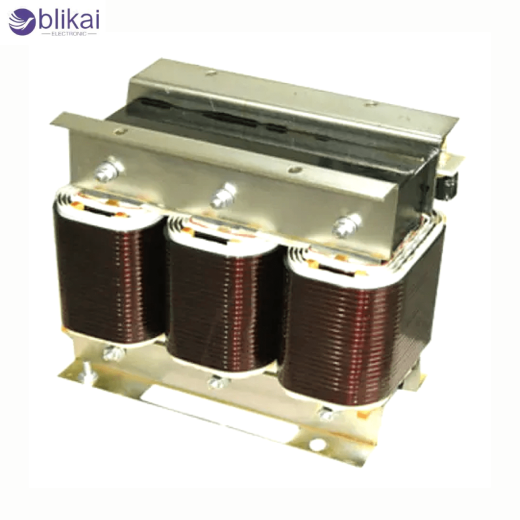
An isolation transformer is a type of electrical transformer that is used to indirectly couple electrical energy that is present in a primary circuit to a secondary circuit, without having any direct conductive connection between the two circuits and instead uses electromagnetic induction to couple them. A traditional transformer is largely used to change the voltage; however, an isolation transformer is interested in safety and also the reduction of noise and system protection by making sure that direct current does not pass through the input and output circuits. This electrical isolation, more popularly known as galvanic isolation, removes the common grounding routes and minimizes the possibility of electric shock, electrical interference, and equipment damage considerably. Isolation transformers are widely used in medical equipment, laboratory testing systems, industrial automation, audio electronics, and sensitive electronic power supplies where stable and safe power delivery is critical.
Working Principle of an Isolation Transformer
An isolation transformer works on the principle of electromagnetic induction, through which alternating current passing through the primary winding induces a varying magnetic field in the transformer core, which in turn causes a corresponding voltage to be induced in the secondary winding, regardless of electrical contact. The electrons do not physically pass between circuits as the transmission of energy occurs by means of a magnetic process, thereby maintaining the circuit electrically separated but allowing the transmission of power to occur effectively.
Electromagnetic Induction Process
When AC voltage is applied to the primary winding, alternating current produces a fluctuating magnetic flux in the core material, typically made of silicon steel laminations designed to minimize eddy current losses. This is a magnetic flux that is attached to the secondary winding and makes alternating voltage in proportion to the number of turns between the windings, which facilitates the transfer of energy with a minimum of electrical connection points.
Galvanic Isolation Explained
Lack of conductive contact between two electric circuits is called galvanic isolation i.e. in a normal scenario, there is no conductive contact between two electric circuits that allows one to conduct current. In an isolation transformer, this separation breaks ground loops, prevents fault currents from propagating, and protects users from direct exposure to dangerous voltages, which is particularly important in diagnostic equipment and test benches where human contact is possible.
Voltage Transfer and Turns Ratio
The subsequent most commonly used isolation transformers are of equal numbers of turns on the primary and secondary windings to ensure the same voltage levels but provide isolation, though other specialized types have some form of minor voltage adjustments as compensation or regulation. The important point is that electrical separation is the goal of the isolation transformer, not voltage transformation, in comparison to the traditional power transformers.
Why Isolation Transformers Improve Electrical Safety
Isolation transformers offer a lot of electrical safety as they isolate and do not allow direct electrical continuity between loads and sources of power, and, anyway, restrict the ways harmful currents can be used to follow. This safety feature is necessary in the environment where the equipment grounding conditions can be irregular or when the human operators can work directly with the powered equipment.
Protection Against Electric Shock
Since the secondary circuit is floating with respect to ground unless deliberately referenced, the chance of accidental contact with any one of the currents does not create a current path through the body and eliminates the risk of electric shock potential to a large extent as compared to directly connected mains power systems.
Ground Loop Prevention
Ground loops occur when multiple grounding paths create unwanted circulating currents that introduce noise and instability into electronic systems. Isolation transformers never couple the reference of ground between circuits, ensuring that there is no formation of loops in a circuit, and enhance the accuracy of measurement and signal quality.
Surge and Fault Isolation
Electrical faults like voltage spikes, transient surges or insulation failures on the primary side will be less likely to be transferred to connected equipment due to the magnetic coupling, which contains conductive fault propagation, which offers an added protection to sensitive electronics.
Types of Isolation Transformers
Isolation transformers are available in several configurations tailored to specific safety, noise suppression, and performance requirements across industries.
Medical Isolation Transformers
Medical isolation transformers are engineered to meet strict healthcare safety standards by minimizing leakage current and ensuring patient protection during diagnostic and treatment procedures, especially in operating rooms and imaging systems where electrical safety is critical.
Industrial Isolation Transformers
Industrial models are built to work in harsh conditions and offer safeguard to automation equipment, programmable logic controllers, motor drives, as well as manufacturing equipment vulnerable to electrical noise and varying loads.
Noise Isolation Transformers
The noise isolation transformers are designed with optimal characteristics of suppressing electromagnetic interference as well as common-mode noise; hence, they are suited to audio systems, communication devices and high-precision measurement equipment that demand clean power signals.
Shielded vs Unshielded Isolation Transformers
Shielded isolation transformers incorporate electrostatic shields between windings to block capacitive noise transfer, while unshielded versions provide basic isolation at lower cost but offer reduced noise suppression performance.
Common Applications of Isolation Transformers
Isolation transformers are critical in the context of contemporary electronic and electrical systems, where the safety, stability, and signal integrity have to be ensured at once.
Medical Equipment and Patient Safety
Hospitals use isolation transformers to shield patients against leakages and electrical failure of equipment like monitors, imaging machines, and surgical equipment.
Test and Measurement Equipment
Isolation transformers are applied in laboratories in oscilloscopes, signal analyzers, and calibration equipment to avoid measurement error caused by ground and guard against unforeseen differences in voltages on equipment.
Industrial Control Systems
Isolation transformers are beneficial in automation systems because the motors and switching devices cause electrical interference, which decreases the reliability and uptime of the controller.
Audio and Communication Systems
Audio engineers use isolation transformers to eliminate hum caused by ground loops, ensuring clean signal transmission in recording studios and broadcasting equipment.
Power Supply Protection in Electronics
Electronic devices and development platforms use isolation transformers during testing to safely power circuits while minimizing the risk of accidental short circuits or shocks.
Advantages and Disadvantages of Isolation Transformers
The benefits of isolation transformers are immense because they provide more electrical safety, superior noise filtering, protection against transient disturbance and improved reliability of a system, which have rendered them imperative in sensitive electronic systems. But they too bring with them drawbacks like enlarged size, higher cost than the simple translucent design, more energy loss because of magnetic coupling and the necessity of appropriate installation approaches in order to maintain proper grounding and safe operation.
Installation and Safety Guidelines
The installation of an isolation transformer should be done well to obtain the desired safety gains and eliminate operational safety risks.
Proper Grounding Practices
Correct grounding configuration ensures shielding effectiveness while maintaining isolation integrity without unintentionally reintroducing ground loops.
Ventilation and Heat Management
Adequate airflow prevents overheating caused by core losses and winding resistance during continuous operation.
Overload Protection
Circuit breakers or fuses will be provided to guard the transformer and equipment associated with it against oversupply of current.
Common Installation Mistakes
Some of the mistakes that usually impair performance and safety include improper grounding, inappropriate choice of transformer and improper ventilation.
FAQ
Why is an isolation transformer safer?
It isolates input windings and output windings to avoid the direct current of electric shock or damaged equipment.
Does an isolation transformer prevent electric shock?
It minimizes the shock risk without removing it entirely since there is still a possibility of the presence of hazardous voltage on the secondary side.
When should an isolation transformer be used?
It finds application in medical equipment, electronics testing, industrial control systems and audio systems where safe and clean power is required.
Conclusion
Isolation transformers are vital elements of the modern electrical and electronic system, which can offer galvanic isolation, which improves safety, limits electrical noise, and protects vulnerable equipment against faults and interference. These transformers make medical, industrial, laboratory and communication systems safer because the energy is transferred in a non-electrical magnetic manner, and enhances more stability in a system. Knowledge of their principle of operation, their benefits and proper installation provisions enables the engineers and other technicians to choose and apply isolation transformers in the best way possible to maintain a good supply of power and safe operations in the long term.
Some images are sourced online. Please contact us for removal if any copyright concerns arise.





