


Ground Loop Isolator Explained: Key Specs for Electronics Use
 1071
1071What Is a Ground Loop Isolator?
A ground loop isolator is an electronic device that grounds hum, buzz and noise of potential differences in ground between interconnected devices. It does so by placing a small audio-grade or signal-grade transformer between the source and the receiving equipment to interrupt the DC ground circuit, but not the continuity of the AC signals. Ground loop isolators are widely used in car audio, home theaters, PCs, security cameras, and other mixed-ground electronic systems.
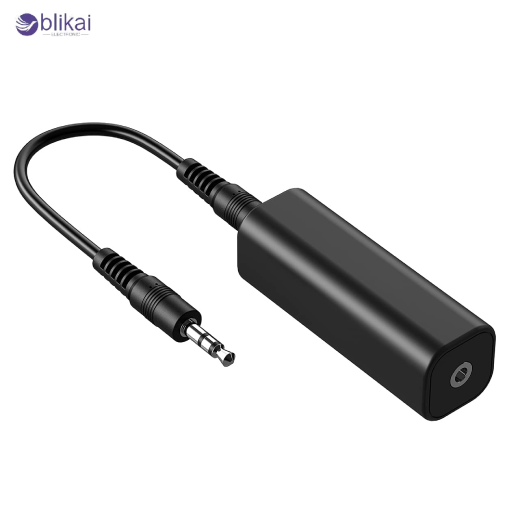
How a Ground Loop Isolator Works
A ground loop occurs when two or more devices share multiple ground paths, creating circulating currents that inject noise into the signal. A ground loop isolator de-galvanises the current flow with the use of a transformer and allows audio or data to be transmitted through magnetic coupling. The isolator uses low-frequency hum (50/60 Hz) as well as high-frequency interference in more complex designs, which the isolator avoids by breaking the shared ground reference.
Key Electrical Specifications
When selecting a ground loop isolator, compare transformer quality and measurable performance characteristics. Important specs include:
- Input/Output Impedance — should be line-level audio or device compatible.
- Frequency Response — A wider response will provide cleaner bass and treble.
- Isolation Voltage — this is used to see how the device can cope with the potential difference between earths.
- THD (Total Harmonic Distortion) — lower distortion means cleaner audio.
- Connector Types — RCA, 3.5 mm, XLR, or USB, depending on the system.
Types of Ground Loop Isolators
Transformer-Based Ground Loop Isolators
Transformer isolators incorporate paired audio transformers in order to conduct the signal in a magnetic way and eliminate the electric ground. This design eliminates low-frequency hum and has minimum distortion, which is suitable for home audio, car stereos, and studio systems. Since they are passive, dependable and fit with a majority of analog signals, they continue to be the most widespread type of isolator used in consumer and professional audio systems.
Optical (TOSLINK) Ground Loop Isolators
Optical isolators convert audio into light and vice versa, making them fully galvanically isolated and having no common ground between them. This does not have any hum and accommodates high-bandwidth digital formats. They are used in home theaters and in high-end recording studios where they are needed to have maximum noise immunity and clean signal transmission.
USB Ground Loop Isolators
In computer-based audio, USB isolators are used to decouple the data and power grounds used in an audio system to eliminate noise caused by USB 5V power (or a shield ground). They are commonly employed with both DACs and audio interfaces, SDR radios and automotive USB adapters. They are used to isolate both the power and data lines used in USB to reduce buzzing, whining and RF interference between USB devices.
Differential Signal Isolators
Differential isolators reject common-mode noise by processing only the differential component of the audio signal. They are installed in mixers, DI boxes and professional studio and live sound balanced audio devices. They are powerful noise-rejecters that allow them to be used in long cable runs and those with high EMI.
Common Use Cases of Ground Loop Isolators
Ground loop isolators help eliminate hum and noise in several real-world applications:
Home Audio and Entertainment Systems
Ground loop isolators are commonly used to remove hum caused by TVs, receivers, powered speakers, or cable boxes connected to different outlets. They restore clean audio by breaking the ground loop without affecting clarity, making them essential for home theater and multi-device entertainment setups.
Car Audio and Mobile Electronics
In the car audio system, isolators are used to remove alternator whining and buzzing when the grounding of the chassis is different. They assist in maintaining the cleanliness of sound when joining head units, amplifiers, Bluetooth adapters, as well as dashcams. This has ensured that they are an easy inclusion when doing aftermarket audio upgrades.
Professional Audio and Recording Studios
Studios and live sound systems rely on isolators to manage hum created by interconnected mixers, interfaces, and stage equipment. Isolators help maintain clean, consistent signal quality across long cable runs and prevent interference during recording or performances.
Computer, DAC, and USB Audio Systems
USB isolators fix noise issues from laptop chargers, hubs, and switching power supplies by separating the noisy ground path. They are essential for DACs, headphone amps, measurement tools, and SDR radios, ensuring cleaner output and reduced digital artifacts.
Installation and Wiring Tips
Install the isolator on the audio or signal line, not the power line. Place it closest to the device where noise is heard—typically at the receiving end. Use short cables, avoid running signal wires parallel to AC power lines, and ensure all audio components share a stable power source whenever possible.
Ground Loop Isolator vs. Other Noise Solutions
- Ferrite Cores: reduce RF noise but do not break ground loops.
- Balanced Cables: cancel common-mode interference but require compatible equipment.
- Power Conditioners: help with AC contamination but not ground loops.
- Shielded Cables: block EMI but do not stop circulating ground currents.
- Star Grounding: ideal for installations but requires rewiring.
FAQ
What Causes Ground Loop Noise Beyond Just “Different Grounds”?
Ground loop noise can form between signal ground, chassis ground, and earth ground, especially when mixed in complex AV setups. Unbalanced interfaces inject ground voltage differences directly into the signal, while balanced interfaces can develop common-mode voltage issues. Long cable runs and multiple grounding points increase impedance differences, making loops easier to form.
Where Is the Best Place to Install a Ground Loop Isolator?
The most effective placement is at the receiving end, where the noise becomes audible or visible. You must position the isolator where the loop current actually enters the signal path; incorrect placement may not reduce noise. Always insert it just before the device experiencing the interference.
What Are the Limitations of Using a Ground Loop Isolator?
Some isolators cause minor signal loss or low-frequency roll-off, especially those using low-quality transformers. Cheap models may also introduce distortion or poor transient response. Additionally, isolators cannot correct noise caused by faulty power supplies, RF coupling, or overall system grounding flaws.
Do Ground Loop Isolators Work in Real-World Applications?
Yes. Roughly 30% of home audio hum originates from ground loops and responds well to isolation. Effectiveness depends on the isolator design, the size of the ground potential difference, and the system’s wiring layout. For severe grounding problems, isolators offer a quick fix, but long-term solutions may require re-grounding or rerouting cables.
Can Ground Loop Isolators Remove RF or High-Frequency Interference?
High-quality isolators using Faraday shielding and premium cores can suppress RF interference and ultrasonic noise in addition to 50/60 Hz hum. Low-cost isolators without shielding may have limited high-frequency suppression.
Is Using a Ground Loop Isolator Safe Compared to Fixing the Ground Directly?
You should never remove or bypass a safety ground. A ground loop isolator is a safe alternative because it interrupts only the signal ground, not the protective earth connection. While isolators provide quick results, proper grounding practices remain the best long-term solution.
Can Ground Loop Isolators Be Used with USB or Digital Signals?
Yes—USB isolators provide galvanic separation between the computer and connected audio or measurement devices. They eliminate hum caused by PC power supplies and mixed-ground USB systems. However, digital isolators may introduce latency or bandwidth limits, so choose audio-grade USB isolators where needed.
Conclusion
One of the best and most available devices for removing hum and noise due to grounding differences in audio, USB and AV electronics is a ground loop isolator. It provides a sure method to realize a clean and noise-free signal action with the appropriate transformer quality, specifications, installation site and knowledge of how to ground a system.
Some images are sourced online. Please contact us for removal if any copyright concerns arise.





