


How to Clean a Mass Air Flow Sensor Safely & Effectively
 307
307What Is a Mass Air Flow Sensor?
The Mass Air Flow (MAF) sensor is one of the most vital electronic components in today's modern vehicle engine management system. It takes in air coming through the engine and feeds it into the engine control unit (ECU) so that the ECU can determine the proper fuel-air ratio to burn efficiently. Over time, dust, oil residue, dirt and airborne contaminants can accumulate on the sensor, leading to inaccurate air flow measurement and poor engine performance. Understanding the correct and safe methods for cleaning the mass air flow sensor can result in improved fuel economy, acceleration, emissions and reduced opportunities for costly repairs. The Sensor is very sensitive and may be damaged either from handling or by chemicals; proper cleaning techniques are important.
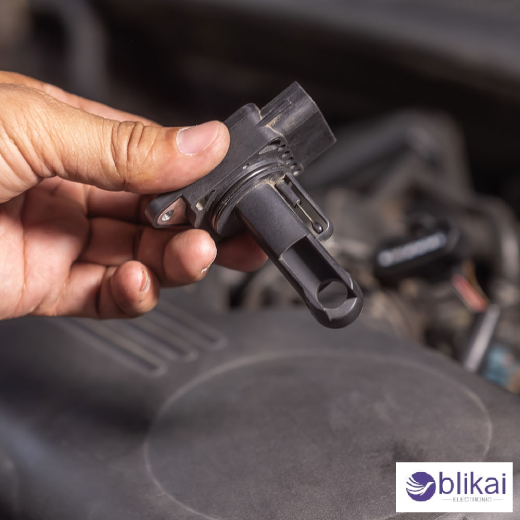
Signs Your Mass Air Flow Sensor Needs Cleaning
Engine Performance Problems
A dirty mass air flow sensor will have a tremendous impact on the performance of the engine. Symptoms are rough idling, hesitation when the engine is trying to accelerate, poor throttle response, stalling and trouble starting the vehicle. Flow data is very important for the ECU, and dirty sensors can cause air-fuel ratio issues and cause inefficient combustion. Drivers might experience erratic engine behavior, such as at highway speeds and on acceleration.
Fuel Economy and Emissions Issues
Poor fuel economy is one of the initial symptoms of a fouled MAF sensor. If the airflow is not measured correctly, the ECU will send too much fuel into the engine, leading to higher fuel consumption and emissions of exhaust gases. In extreme cases, the car can produce black exhaust smoke from a high fuel-to-air ratio. Dirty MAF sensors can also cause failed emissions tests as the engine may not maintain proper combustion conditions.
Advantages of Cleaning a MAF Sensor
Improved Engine Efficiency
The dirty MAF sensor can result in a poor airflow measurement and affect the efficiency of an engine, and can be cleaned to restore accurate airflow measurement. With data provided to the ECU that is correct, the fuel injection system can maintain the optimal air-fuel ratio.
Better Fuel Economy
The clean MAF sensor will help cut down on idle fuel usage, since it will supply the correct fuel quantity. When the ECU is aware of the correct amount of air, it doesn't over-fuel the engine. After the sensor is cleaned, the driver may find that they get better gas mileage, particularly if the sensor has become clogged.
Lower Maintenance Costs
By regularly cleaning the MAF sensor, the life of that sensor and the chances of costly repairs are increased. The cost of replacing a mass air flow sensor varies from car to car; therefore, preventative maintenance may be more cost-effective. Accurate air flow measurement also helps to prevent excess carbon deposits in oxygen sensors, spark plugs and catalytic converters.
Tools and Materials Needed
Recommended Cleaning Supplies
Prepare the necessary tools and materials prior to cleaning the MAF sensor. It is highly recommended to use a dedicated mass air flow sensor cleaner spray, as it evaporates rapidly with no residue. Simple hand tools might be required to break up the cover to the sensor. Safety glasses and protective gloves can also be helpful in the safe handling of the cleaning process.
What to Avoid
Aggressive chemicals like brake cleaner, carburetor cleaner, or general-purpose solvents should not be used, as these materials can affect the precise sensing elements. Never directly touch the hot wire or sensing film with fingers, cloth or brush. Compressed air under high pressure is also dangerous, as it can damage the parts of the sensor.
How to Clean a Mass Air Flow Sensor
Step 1 – Turn Off the Vehicle
Firstly, turn the ignition key off and take the ignition key. To ensure further safety, disconnect the negative battery terminal to avoid any electrical problems when performing maintenance. Do not attempt to access the engine intake system while the engine is hot, as some components are near the engine.
Step 2 – Locate the MAF Sensor
The MAF sensor is normally mounted between the air filter box and throttle body in the intake duct. It is normally plugged into an electric wire loom and fixed with screws and/or clamps. If the location of the sensor is hard to locate, refer to the vehicle owner's manual.
Step 3 – Remove the Sensor Carefully
To remove the electrical connector, gently press the release tab. Disconnect the mounting screws/clamps on the sensor from the intake assembly. Gently lift the sensor, avoiding contact with the sensing wire or the internal elements. Do not shake or drop the unit when removing it; the sensor components are fragile.
Step 4 – Spray the MAF Sensor Cleaner
Place the sensor on a clean surface and squirt the special MAF cleaner directly on the sensor's sensing wire or film element. Use multiple short strokes from a distant position to remove dirt and oil residue. Wash the sensing area and surrounding housing if contamination is seen. Don't physically scrub the sensor as it can damage the sensitive parts, even if it is just a light touch.
Step 5 – Let the Sensor Dry Completely
After cleaning the sensor, let it dry naturally for 10-20 minutes. Do not use compressed air, hair dryers or heat guns to dry up quicker because they can damage the electronics. The cleaner should completely dry down before reinstallation.
Step 6 – Reinstall the Sensor
Put the dry sensor back in the intake system and firmly secure the mounting screws. Reconnect electrical connectors and make sure all intake hoses are connected. If the battery was disconnected, reconnect it now. Run the engine and hold it at idle for a few minutes to check its responsiveness and smoothness at idle.
Common Mistakes to Avoid When Cleaning a MAF Sensor
Using the Wrong Cleaner
Inappropriate use of cleaning chemicals is one of the most common errors. Products that are not specifically formulated for use in MAF sensors can leave a residue or damage the protective coating on the sensing element. Although the sensor may look clean afterwards, it may be permanently damaged by the chemicals.
Physically Touching the Sensor
The sensing wire within a hot wire MAF sensor is very thin and fragile. The sensor may be ruined by bending or breaking the wire when touched with fingers, cotton swabs or brushes. Spray cleaner and careful handling are all that the cleaning requires.
Reinstalling Before Drying
Placing the sensor before the cleaner evaporates completely could result in shorting the circuit or in an incorrect reading. Any water that gathers within the sensor housing can cause problems with operation and cause additional engine fault codes to be set. It is important to provide sufficient drying time for safe reinstallation.
FAQ
How Long Does MAF Sensor Cleaning Take?
Typically, this cleaning takes 20-40 minutes, depending on the amount of work to be done, which involves pulling, cleaning, drying and reinstalling. This will vary according to the design of the vehicle and the accessibility of the sensors.
Will Cleaning a MAF Sensor Reset the Check Engine Light?
If a cleanable issue causes the problem, the job may be done at this time, and the light will go out after a few driving cycles. But a few cars might need to be manually code-cleared using an OBD-II scan tool.
Conclusion
Cleaning of mass air flow sensors plays a very important role in maintenance that can positively impact engine performance, improve fuel economy, and reduce emissions. The MAF sensor can impact the vehicle's operation, even if the contamination is only a small percentage of the sensor's value. Appropriate use of the correct cleaning product, care of the sensor, and safe cleaning practices can help to restore accurate measurement of airflow and prolong sensor life. Normal maintenance of the intake system and periodic inspection of the sensors is an effective solution to make sure the engine runs well and reduces unnecessary expenses for replacement.
Some images are sourced online. Please contact us for removal if any copyright concerns arise.





