


Sulfated Battery: Causes, Electronic Component Effects & Fixes
 188
188Sulfation is a common cause of premature battery failure and reduced performance in all lead-acid batteries. Batteries can suffer from sulfate crystal formation in different applications, from cars to backup power systems, solar projects to industrial machinery and marine use, which can impair the energy storage and delivery capabilities. The sulfation can also affect other electronics plugged into the battery and result in voltage fluctuations, increased current requirements and reliability issues. Knowing what causes sulfation, how it manifests, and its solutions can help prolong battery life and save sensitive electronics from damage.
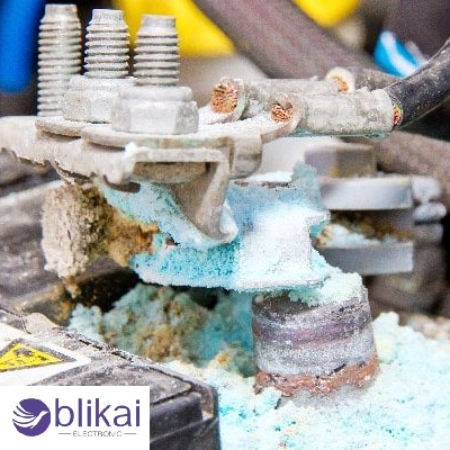
What Is Battery Sulfation?
Lead sulfate crystals that form on the lead plates in a lead-acid battery are called sulfation. In normal use, the very small crystals of sulfate form and as the battery is charged and discharged, the crystals can be changed to a solution. The trouble arises when the battery is only partially charged or discharged for a prolonged period of time, causing the crystals to form, making it difficult to return to its former state.
Common Causes of Battery Sulfation
Long-Term Undercharging
One of the major causes of battery sulfation is undercharging. If the batteries do not get a full charge, they will not revert to active materials, and the sulfate crystals remain. This is typical for vehicles that don't run long enough to complete recharges, or for systems that are used for short trips routinely.
Extended Battery Storage
It is natural for batteries to self-discharge over time, even if they are not being used in equipment. When a battery is not used for weeks or months without maintenance charging, its voltage decreases, and sulfation starts. Deterioration is a significant issue with batteries that are not stored correctly for long periods.
Deep Discharge Conditions
Repeated deep discharge may cause a lot of strain to lead-acid batteries. The greater the battery voltage is under the recommended voltage level, the quicker the sulfate build-up will take place. If your battery is not recharged after every deep cycle, it will continue to grow crystals and reduce the battery's life.
Improper Charging Practices
Sulfation can be caused by chargers with improper voltage settings or by poor charging profiles. Charging with chargers that do not provide enough charging voltage can result in partial charging, and charging inconsistently over a period of time can lead to the accumulation of sulfates.
High and Low Temperature Effects
Battery chemistry can be adversely affected by extreme temperatures. Exposing the product to high temperatures will increase the internal aging rate, and low temperatures will slow down the charging rate and increase the probability of charging failure. Both conditions can indirectly create sulfation and decrease the performance of the batteries.
Signs and Symptoms of a Sulfated Battery
Reduced Battery Capacity
A sulfated battery can't store energy as well as a healthy battery. The user will find the times between charges to be shorter, reserve capacity lower, and times quicker.
Slow Charging Performance
Sulfation raises the internal resistance, making it more difficult for the battery to charge. This will result in slower and less efficient charging, and the battery may not reach its rated power.
Difficulty Starting Equipment or Vehicles
A weak crank is one of the most prominent symptoms. Cars will have trouble starting, and backup power systems/machinery may not start as quickly as normal because of lower battery output.
Increased Internal Resistance
The more that sulfate crystals are deposited on the battery plates, the higher the electrical resistance of the battery. The higher the resistance, the less efficiently the energy is transmitted, the more heat is created, and the more voltage drops when you load it.
How Battery Sulfation Affects Electronic Components
Unstable Voltage Supply
Sulfated batteries typically give varying voltage readings at high load. Variations in voltage can cause harm to sensitive electronic circuits and can lower the overall stability of the system.
Increased Stress on Power Management Components
There's more work for electronic components like voltage regulators, DC-DC converters, and power management integrated circuits to do to deal with erratic battery performance. This extra workload can reduce the life of components and add to their thermal stress.
Effects on Sensors and Control Modules
Electronic control units, sensors and communication systems are necessary for modern vehicles and industrial systems and need stable power. With battery sulfation, the voltage can drop to a level that disrupts the smooth operation of the system, resulting in error codes, system resets, or unreliable operation.
Impact on Power-Hungry Components
For example, motors, inverters, pumps and communications equipment are among the many requiring heavy electrical power. A sulfated battery might not be able to satisfy those needs, resulting in less efficient or slower operation and/or unexpected shutdowns.
Risk of Premature Electronic Component Failure
Power instabilities and fluctuations over time can lead to increased electronic component wear. Overheating, repeated stress cycles, and poor power quality may eventually contribute to premature system failures.
How to Diagnose a Sulfated Battery
Voltage Testing with a Multimeter
Open circuit voltage is one of the simplest ways of determining battery condition. If it is consistently low after charging, it means that there is sulfation or internal issues with the battery.
Load Testing
Load testing evaluates the battery's ability to deliver current under real operating conditions. Sulfated batteries often experience significant voltage drops when subjected to load tests.
Conductance Testing
Battery conductance testers are used to determine the internal electrical properties and conditions of the battery. These tools are able to detect when sulfation has taken place, even prior to the total failure of the battery.
Using Battery Analyzers
Comprehensive battery diagnostic functions such as capacity evaluation, internal resistance measurement and charge acceptance testing are carried out by professional battery analyzers. These are more accurate devices to assess the severity of sulfation.
Identifying Sulfation vs. Other Battery Problems
However, not every battery failure is due to sulfation. Similar symptoms may occur due to corrosion, damaged cells, loss of electrolyte or mechanical failure. Full testing will differentiate sulfation problems.
How to Fix a Sulfated Battery
Applying an Equalization Charge
An equalization charge involves carefully controlled overcharging designed to break down sulfate crystals and restore battery performance. This method is commonly used for flooded lead-acid batteries, but should be performed according to manufacturer recommendations.
Using a Battery Desulfator
The high-frequency electrical pulses from the battery desulfators help to dissolve the sulfate crystals. Depending on the state of battery sulfation, desulfators could work for batteries with mild to moderate sulfation.
Smart Charger Recovery Modes
Many modern smart chargers include desulfation or recovery modes that automatically apply specialized charging profiles. These chargers can gradually restore battery capacity without requiring manual intervention.
When Battery Replacement Is Necessary
Severe hard sulfation may permanently damage battery plates and significantly reduce capacity. If recovery attempts fail and performance remains poor, replacing the battery is often the most practical solution.
Safety Precautions During Recovery
Always follow battery recovery procedures in well-ventilated areas, with proper protective clothing. Lead-acid batteries have corrosive electrolytes and can emit explosive gases when charged.
How to Prevent Battery Sulfation
Maintain Proper Charging Levels
Sulfation can be prevented by keeping batteries charged as much as possible at all times. Frequent recharging prevents the formation of sulfate crystals, thereby keeping the battery efficient.
Use Smart Chargers and Maintainers
Smart chargers and battery maintainers automatically detect voltage and start maintaining charging when necessary. These are particularly handy for vehicles that are used during different seasons of the year or for backup power.
Avoid Deep Discharges
Avoiding batteries from getting very low charge can greatly minimize sulfation risk. Manufacturer-recommended discharges keep your battery healthy.
Perform Regular Battery Inspections
Periodic testing enables users to detect voltage problems, charging problems, and minor voltage degradation before a major problem occurs.
Store Batteries Correctly
Batteries should be kept in a cool, dry place and recharged every 30 or so days during storage. Minimizing self-discharge and sulfation is achieved by proper storage practice.
FAQ
Can a sulfated battery be restored?
Equalization charging, smart charging and desulfation devices can be used to reverse mild and moderate sulfation. But if the hard sulfation is more severe, it can be permanent.
Do battery desulfators really work?
Battery desulfators can be used to enhance the performance of batteries that have low to moderate sulfation. If the plates have already been permanently damaged in some way by hard sulfation, they are far less effective.
Is sulfation dangerous for electronic devices?
Yes. Since sulfated batteries can cause erratic voltage conditions, they can impose extra stress on electronic circuits, control modules and power management components.
Conclusion
Sulfation is a common problem in lead acid batteries that can be prevented and is a factor that affects the performance, life and reliability of the batteries. Sulfation is caused mainly due to undercharging, long storage and deep discharge, which causes the loss of capacity, high internal resistance and unstable power delivery. These effects can create extra stressors on electronic components like voltage regulators, sensors, controllers, and power management systems. By following best practice guidelines for charging, ensuring batteries are maintained correctly, implementing smart battery monitoring and conducting timely diagnostics, users will reduce sulfation, prolong battery life and maintain the reliability of battery and electronic equipment.
Some images are sourced online. Please contact us for removal if any copyright concerns arise.





