


JST Connectors Guide for Electronics: Types, Pins & Applications
 771
771Introduction to JST Connectors
JST connectors are compact, reliable wire-to-board and board-to-board connectors widely used in consumer electronics, IoT sensors, drones, LED lighting, battery packs, and PCB modules. Their standardized pitch options, secure locking mechanisms, and high mating reliability make them essential for modern electronic assembly, especially where space, durability, and stable electrical connection matter.
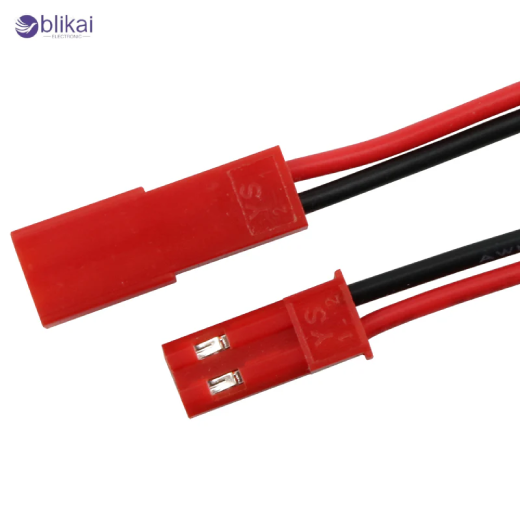
Common JST Connector Series
JST XH Series (2.50 mm Pitch)
JST XH series is also one of the most common families with a pitch of 2.50 mm and a long-lasting friction-lock design. The connectors are mostly utilized to connect motors, sensors, and low power electronics on control boards. This is due to their through-hole header that is suitable for cost effective production and manual soldering.
JST PH Series (2.00 mm Pitch)
The PH series provides a smaller 2.00 mm pitch suitable for compact PCBs and battery-powered devices. These connectors are frequently found in Li-ion battery packs, LED controllers, and miniature modules. PH connectors are the best suited to the shock-resistant portable electronics that need a low profile and stable retention system.
JST SH Series (1.00 mm Pitch)
JST SH connectors are used in devices with space limitations. They have a pitch of 1.00 mm and can be used with drones, lightweight sensors, FPV gear, and makers of microcontrollers. Their small size makes them have high-density connections without any loss in electrical reliability.
JST SM Series (2.50 mm Pitch, Inline)
The JST SM series is widely used in LED strips, RGB controllers, and hobby electronics due to its inline waterproof-ish housing and locking tab. These connectors support higher currents than other small-pitch families and allow quick field installation without soldering.
JST VH Series (3.96 mm Pitch, High Current)
The VH series is a heavy-duty option with a 3.96 mm pitch capable of handling higher current loads (up to 10A, depending on wire gauge). These are commonly used in power supply boards, motor controllers, battery-management circuits, and industrial control units where higher current handling is required.
JST GH, ZH and Other Miniaturized Series
JST GH (1.25 mm): used in FPV flight controllers and sensor breakout boards.
JST ZH (1.50 mm): mid-range pitch between PH and SH, balancing size and strength.
JST EH, RCY, JWPF, and PA series: specialized for locking, waterproofing, or high-reliability applications.
Pin Configurations and Wire Options
Pin Counts
Depending on the series, JST connector pins range from 2 to more than 20.
- 2–3 pins: typically for power delivery, motors, fans, and LEDs.
- 4–6 pins: commonly used for data + power combinations (I2C, UART, sensors).
- More than 6 pins: used for multi-channel communication or control signals.
Pitch and Current Ratings
Pitch size directly influences current rating.
- 1.0 mm (SH): low-current signal applications.
- 2.0 mm (PH): battery packs up to ~2A.
- 2.5 mm (XH/SM): moderate current loads, typically 3A–5A.
- 3.96 mm (VH): higher current applications up to ~10A.
Wire Gauges and Terminal Options
JST connectors support different wire gauges depending on the family:
- 28–30 AWG for ultra-small series (SH, ZH).
- 24–28 AWG for PH and GH series.
- 22–26 AWG for XH, SM, and VH connectors.
Choosing Pin Count and Wire Size
Selection should consider:
- Maximum expected current.
- Required voltage stability.
- Mechanical strain and vibration.
- PCB footprint limitations.
JST Connector Applications
Battery Packs and Power Modules
JST PH and XH connectors are widely used in rechargeable Li-ion battery packs, BMS modules, and power supply boards. Their secure locking and polarity protection reduce the risk of reverse connection or unstable power delivery.
LED Strips and Lighting Systems
JST SM connectors dominate USB LED strips, RGB controllers, power distribution modules, and LED driver boards. Their inline cable form makes them suitable for rapid installations without soldering.
Robotics, Drones, and RC Electronics
Flight controllers, GPSs, FPV cameras, RC receivers, brushless motor controllers, and sensors use JST SH, GH, and PH. Their lightweight design improves flight efficiency and shock resistance.
Consumer Electronics and IoT Devices
Smart home devices, sensors, small appliances, camera modules, and IoT nodes frequently use JST connectors because of their small pitch and high reliability under daily use.
Industrial and Automotive Electronics
JST VH and JWPF (waterproof) series appear in industrial controllers, automotive dashboards, power distribution units, and motor drives, where high current and environmental resistance are required.
How to Select the Right JST Connector
Match Pitch to PCB Space
Foner (1.0 -- 1.25 mm) are used in small modules, whereas bigger (2.5 mm to 3.96 mm) are used on power-intensive circuits.
Verify Current and Voltage Requirements
Review datasheets for:
- Maximum current per pin.
- Voltage tolerance.
- Insulation resistance.
Lower-pitch series cannot handle the same current as higher-pitch versions.
Locking Type and Connector Orientation
Options include:
- Friction-lock housings
- Top-entry or side-entry headers
- Inline cable connectors
- Waterproof housings (JWPF)
SMD vs. Through-Hole Mounting
- SMD connectors are used in compact consumer electronics and automated assembly lines.
- THT connectors are better for high mechanical stress or user-plug interfaces.
Example Selections
- Battery pack to PCB → JST PH.
- LED strip connection → JST SM.
- High-current motor board → JST VH.
- Compact drone module → JST SH or GH.
How to Identify Genuine JST Connectors
Visual Markings
Authentic JST connectors often have sharp, clean markings or embossed logos, although some official versions may appear plain. Counterfeit connectors typically lack precision in mold quality.
Material Quality
Original JST parts use high-grade, flame-resistant plastics. Low-quality clones may deform under heat or mechanical pressure, increasing the risk of loose connections.
Terminal Precision and Retention Force
Genuine terminals have tight crimp tolerances and strong insertion force to ensure stable current flow. Cheaper alternatives may cause intermittent contact or overheating.
Why It Matters
Using non-genuine connectors can lead to:
- Poor mating reliability
- Voltage drop issues
- Overheating at high currents
- Mechanical failure in vibration environments
JST Connector Crimping and Assembly Tips
Use the Right Crimping Tool
Proper crimping tools guarantee consistent conductor and insulation crimps. Automated crimping machines improve batch quality, while manual tools suit prototyping.
Correct Wire Stripping
Peel off the wire to the extent that the conductor will fit into the metal terminal perfectly. Stripping away excess wire could result in shorts.
Avoid Common Mistakes
- Bent tabs
- Incomplete crimps
- Damaged insulation
- Loose terminals not fully inserted into the housing
Inspection Checklist
Before use, check for:
- Firm mechanical lock
- No exposed copper
- Even crimp wings
- Fully seated terminals
FAQs About JST Connectors
Can JST connectors handle high current?
Only larger series like VH are suitable for high current. Smaller connectors like SH or PH should only be used for low-power signals.
Are JST PH and XH interchangeable?
No. They differ in pitch, housing shape, and pin spacing, so they are not compatible.
How do you avoid reverse connection?
Most JST connectors use keyed housings that prevent incorrect insertion, but always match polarity markings during assembly.
Why are JST connectors common in battery packs?
They provide reliable locking, correct polarity, and stable current delivery in compact form factors.
Can JST connectors be waterproof?
Yes. JST’s JWPF and some specialized series offer waterproof ratings up to IPX7.
Conclusion
JST connectors will always be essential in electronics since all of them are small, do not shift in current carrying, and are easy to lock and expand compatibility with consumer, industrial, and IoT products. By understanding the connector series, pitch sizes, pin configurations, and application requirements, engineers can quickly select the right JST connector for reliable power delivery, data transmission, and long-term device performance.
Some images are sourced online. Please contact us for removal if any copyright concerns arise.





