


How to Fix a Tire Pressure Sensor: TPMS Repair Guide
 416
416Introduction to Tire Pressure Sensor Repair
A TPMS sensor, or a tire pressure sensor, is a vital automotive electronic device that is utilized to continuously measure the air pressure in tires of a car and transmit the data to the electronic control unit (ECU) of the car. When a TPMS fails, the drivers may receive warning indicators, faulty measurements, or a failure, which compromises the security, fuel consumption, and tire life. Information on tire pressure sensor repair is, therefore, extremely important to the modern day car care because of the compulsory nature of TPMS systems in most states. This manual describes TPMS repair through an electronic-oriented approach, namely diagnostics, reset, relearning, and replacement decision.
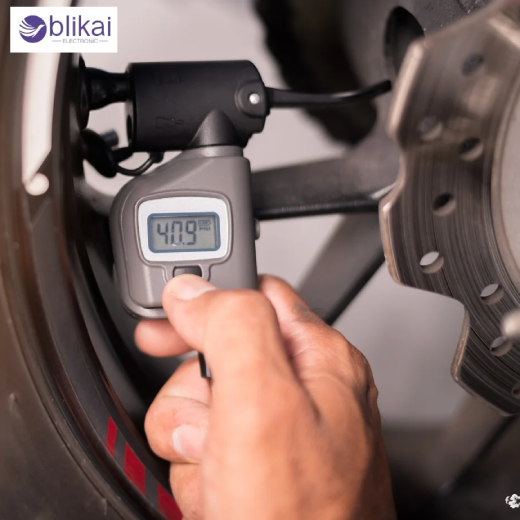
What Is a Tire Pressure Sensor (TPMS)?
A tire pressure sensor is a compact electronic sensing module mounted inside the wheel assembly or integrated into the valve stem. It detects the pressure of tires by a MEMS-based pressure sensor and transforms the physical signal of pressure into an electrical signal that may be handled digitally. A typical TPMS sensor comprises temperature sensors, a microcontroller, a radio-frequency (RF) transmitter, a sealed lithium battery and is designed to work as a self-contained wireless sensor unit, able to withstand difficult working conditions in the automotive setting.
How a Tire Pressure Sensor Works
The principle of operation of TPMS sensors involves identifying the variation in the air pressure of the tires through a micro-electromechanical (MEMS) pressure element, which deforms as a result of the deformation of internal air pressure. An onboard microcontroller digitizes this analog signal, which is temperature-corrected to enhance precision, and encodes this data packet as wireless data. The data is sent through RF signals, usually 315 MHz or 433 MHz, to either the vehicle TPMS receiver or body control module, which receives the data and interprets it to alert the driver in case pressure is outside a given range.
Common Tire Pressure Sensor Problems
The TPMS problems are normally classified into three categories: triggered by warning lights, faulty readings of the pressure, and total failure of sensor communications. A TPMS warning lamp that does not switch off usually means a low battery voltage, sensor calibration error, or a communication loss with the ECU. An aging of the sensor, a temperature or RF interference may cause wrong or changing readings. On the other hand, a sensor that is not read by the system is normally a dead battery, a broken antenna or internal circuit breakage in the TPMS module.
How to Diagnose a Faulty TPMS Sensor
A physical inspection of the valve stem and the wheel section, including the detection of physical damage, corrosion, or air leaks, would be the initial stage of the diagnosis of a tire pressure sensor. An electronic perspective reveals that a TPMS scan tool is the most efficient diagnostic tool because it is able to read sensor IDs, battery status, signal strength, and error code. This ensures that a faulty sensor unit is isolated by comparing sensor readings with all four wheels and that the problem is not caused by faulty wiring, receivers, and control modules, but by invalid sensor readings.
How to Fix a Tire Pressure Sensor
The repair of the tire pressure sensor is based on the root cause as determined in the diagnostics. A mere system reset or relearning process fixes the normal functioning of the system in certain instances, and sensor replacement is the sure way out in others. TPMS sensors are encased electronic parts; therefore, repairing them at the electronic component level is scarcely possible, and only proper troubleshooting can save an unjustified substitution.
Resetting the Tire Pressure Sensor
Resetting a TPMS sensor recalibrates the system’s reference pressure values and is often required after tire inflation, rotation, or seasonal temperature changes. Many vehicles support manual reset procedures using dashboard buttons, ignition sequences, or infotainment menus. An electronic reset clears stored fault states in the ECU, allowing the TPMS system to re-evaluate sensor data under current driving conditions.
Relearning or Reprogramming the TPMS Sensor
TPMS relearning will pair the sensors with their own ID and the control module of the vehicle, so that the wheel position and sensor interpretation are done correctly. The relearning process can be automatic, following the speed at which one drives, or can be done manually by a scan tool. After replacing a sensor, rotating tires, or installing aftermarket wheels, reprogramming is very crucial because the sensor ID may not match, hence not communicating properly.
Replacing a Faulty TPMS Sensor
A TPMS sensor may fail because its battery is not working or its internal circuit is damaged; in either case, replacement is the most viable solution. When changing the replacement sensor, it is important that the RF frequency, protocol compatibility and vehicle model are matched. Current programmable TPMS sensors are flexible since they can be cloned using original sensor IDs to minimize relearning and guarantee a hassle-free ECU integration.
Replacing the TPMS Sensor Battery
TPMS sensors are mostly equipped with sealed lithium batteries with a lifespan of between five and ten years, depending on the driving conditions and the frequency of transmission. The sensor housing has a hermetically sealed cover to keep the electronics dry and free of debris. Battery replacement is usually not supported. Attempting to open the sensor risks damaging the pressure element or RF circuitry, making full sensor replacement the recommended approach.
Preventing Future TPMS Sensor Failures
Preventive maintenance is also relevant to the expansion of the TPMS sensor life. Proper tire mounting techniques reduce mechanical stress on sensor housings, while using corrosion-resistant valve stems protects electrical contacts. Maintaining correct tire pressure minimizes excessive sensor wake cycles, reducing battery drain and improving long-term system reliability.
Common TPMS Repair Mistakes to Avoid
The most common mistakes involved with the repairs of TPMS are the incorrect use of sensor frequencies, omission of relearning processes, or neglect to perform TPMS software updates to ECU communication protocols. Fitting incompatible sensors may result in continuously showing up in warning lights as well as unreliable readings, whereas relearning incorrectly may result in the mismatch of the wheel position, which may confuse the driver.
FAQs
Can a tire pressure sensor be fixed without replacement?
Most of the time, the problems with TPMS may be fixed by resetting or relearning, yet the internal sensor failures tend to need a replacement.
How long does a TPMS sensor last?
The average life of TPMS sensors varies between five and ten years, which is based on the battery capacity, driving pattern and environmental factors.
Is it safe to drive with a faulty TPMS sensor?
Although the car can remain in a normal working state, driving without proper monitoring of the tire pressure predisposes the car to underinflation, irregular tire patterns, and low fuel efficiency.
Do all TPMS sensors need programming?
Yes, most TPMS sensors must be programmed or relearned to match the vehicle ECU after installation or tire rotation.
Can I reset a TPMS sensor myself?
Many vehicles allow manual TPMS resets, but advanced diagnostics and programming often require a TPMS scan tool.
Conclusion
When checking tire pressure sensor problems, communication problems, relearning problems, etc., repair is sometimes a reasonable option because these issues can be addressed with very little cost and effort. But in a situation where the electronic components contained in the sensor have broken, replacement is likely to be the most available and cheapest way out. Knowing how TPMS works, how to diagnose and repair it, vehicle owners and technicians will be able to preserve the correct level of tire pressure monitoring and thereby provide automotive safety in the long-term.
Some images are sourced online. Please contact us for removal if any copyright concerns arise.





