


Oxygen Sensor Replacement: Signs You Need One Now
 101
101What Is an Oxygen Sensor and What Does It Do?
The oxygen sensor, often referred to as the O2 sensor, is a type of device that is fitted in the exhaust system to detect the quantity of unburned oxygen in the exhaust gases. This information is relayed to the ECU, which will adjust the fuel injection on-the-fly to maintain efficiency in the combustion process and within the legal limit of emissions. A majority of vehicles have either one or two upstream oxygen sensors (in front of the catalytic converter) to adjust the fuel mixture and one downstream sensor (in front of the catalytic converter) to check the efficiency of emissions.
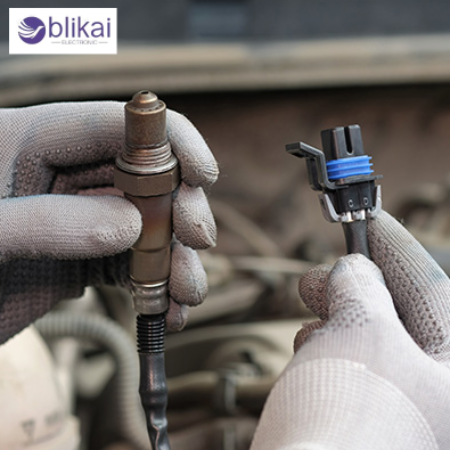
Common Signs You Need Oxygen Sensor Replacement
Check Engine Light Turns On
A check engine light that is lit is also one of the first and most frequent indications of oxygen sensor malfunction. The ECU reads faulty signals in the sensor and logs fault codes when it detects slow, inaccurate, and inconsistent signals of the sensor (fuel trim or emissions). Although there are other possible causes that may cause the triggering of the warning light, the fault of oxygen sensors is actually one of the more common causes.
Poor Fuel Economy
The engine tends to run rich or lean due to a malfunction of the oxygen sensor. The ECU is, in most situations, compensatory and pumps in additional fuel, resulting in significantly lower gas mileage. Oxygen sensor replacement is advised in case the fuel consumption is increased without alterations in driving habits or load conditions.
Rough Idle or Engine Misfires
Inappropriate air-fuel ratios due to defective data from the sensor can produce unstable combustion. This can manifest itself as irregular idling, stuttering when it comes to acceleration or, on some occasions, engine misfire, mostly when the engine is cold or when it is being idled under a light load.
Failed Emissions Test
Since oxygen sensors are directly related to the emission of exhaust, a faulty sensor can easily be identified as the cause of vehicle failure in an emissions or smog test. Oversupply of hydrocarbons, carbon monoxide or nitrogen oxides may be found to be a result of faulty oxygen sensor feedback.
Sulfur or Rotten Egg Smell from Exhaust
When a bad oxygen sensor allows excessive fuel into the exhaust stream, the catalytic converter can overheat and produce a sulfur-like or rotten egg odor. This is a very grave cautionary notice because when this continues to operate, it may cause permanent harm to the catalytic converter.
What Causes an Oxygen Sensor to Fail?
Wear eventually occurs due to exposure to extreme heat, exhaust gases, and contaminants that oxygen sensors are subjected to. Failure is common due to normal aging, accumulation of carbon, leakages of oil or coolant through internal engine leak and damage by the vibration of the exhaust system. Sensors may also have their lifespan reduced by poor-quality fuel and silicone-based sealants.
How Long Does an Oxygen Sensor Last?
The oxygen sensor has a life span of 60000 to 100,000 miles, depending on the vehicle design and driving conditions of the vehicle. Older vehicles with unheated sensors may experience earlier failure, while modern heated sensors typically last longer but still degrade gradually. Recommendations by manufacturers are often helpful, but the actual situation on the ground frequently demands more frequent replacement.
What Happens If You Don’t Replace a Bad Oxygen Sensor?
It is also possible to cause further deterioration of the fuel economy, higher emissions, and driveability problems by overlooking oxygen sensor problems. With time, the unburned fuel may overheat and burn the catalytic converter, and the cost of repair is much higher than the cost of merely changing a replacement oxygen sensor.
Can You Drive with a Bad Oxygen Sensor?
Although a car that has a faulty oxygen sensor can still be operated in the short-term, the cost of fuel is high, and the emission parts wear faster when it is operated further. It is particularly unsafe to drive with a malfunctioning sensor when the check engine light is oscillating, there is a great decrease in fuel consumption, and the exhaust smells are overwhelming.
Oxygen Sensor Replacement Process Explained
Replacement of the oxygen sensor requires that the faulty sensor be located, the electrical connector be disconnected, the old sensor be removed with a specific socket and fixed with a new sensor be fixed with appropriate torque. Although more advanced DIYers can do the replacement, the replaced sensors can still be taken over, or access can be restricted, which is why it is safer to have it repaired by a professional. The majority of replacements will be less than one hour.
How to Tell If the Replacement Solved the Problem
After replacement, fault codes should be cleared and the vehicle test-driven under normal conditions. Successful repair is usually ensured by improvements in fuel economy and the smooth operation of the engine, as well as the lack of warning lights. The ECU can also take a number of drive cycles before full recalibration.
Oxygen Sensor vs Mass Air Flow Sensor: Don’t Confuse the Symptoms
Misunderstandings between the oxygen sensor and the mass air flow (MAF) sensor are most likely to occur due to the similarity in terms of the effect they have on the air-fuel ratios. But there are oxygen sensors, which are used to measure the output of exhaust, and there are MAF sensors, which are used to measure incoming air. A wrong diagnosis may result in unnecessary replacement of parts; hence, a correct scanning and testing is crucial.
Tips for Extending Oxygen Sensor Life
Leaks of oil or coolant can be repaired in due time, and high-quality fuel is recommended, which will greatly increase the life of oxygen sensors. Other measures that can be applied to ensure the accuracy of sensor readings are the avoidance of unnecessary fuel additives and ensuring that the exhaust system does not leak.
FAQs
Can a bad oxygen sensor cause poor acceleration?
Yes, incorrect fuel mixture control can reduce engine responsiveness and acceleration.
Is oxygen sensor replacement urgent?
The situation when there are some signs of replacement is necessary: the lack of drivability, poor economy, and the lack of emissions.
Do I need to replace all oxygen sensors at once?
Not necessarily. Sensors are to be changed according to the diagnostic findings, but high-mileage cars can have a proactive change.
Conclusion
Oxygen sensor replacement is a small repair that can prevent major engine and emissions problems when addressed early. Recognizing the warning signs, understanding the risks of delay, and replacing faulty sensors promptly can restore fuel efficiency, protect expensive components, and keep your vehicle running clean and reliable.
Some images are sourced online. Please contact us for removal if any copyright concerns arise.





