


Indirect TPMS Sensor Guide: How Electronic TPMS Works
 428
428Introduction to Indirect TPMS
An indirect Tire Pressure Monitoring System (TPMS) is a car safety device that checks the pressure in tires without separate pressure sensors placed in the tires. Instead, it relies on existing electronic components, such as ABS or ESC wheel speed sensors, to estimate tire inflation levels. While direct TPMS measures pressure physically in each tire, indirect TPMS calculates differences in wheel rotation speed and patterns to detect underinflation. This low-cost approach has found wide application in current vehicles to make roads safer, more economical and extend the life of tires, as well as minimizing the complexity of the system and maintenance needs.
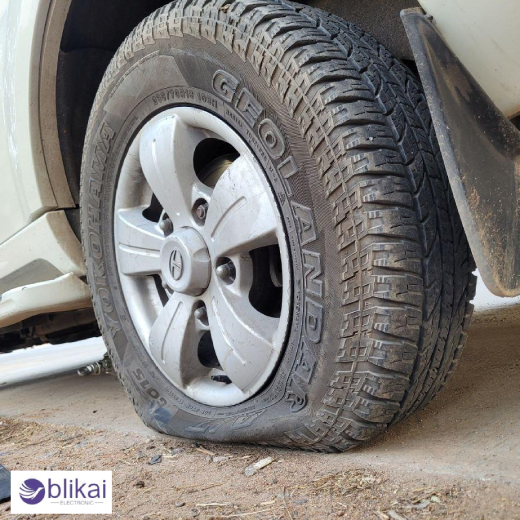
How Indirect TPMS Works
TPMS is indirectly implemented through the analysis of rotational signals, the vehicle speed of wheels provided by the wheel speed sensor that is incorporated in the ABS or ESC systems. The underinflation of a tire will reduce the rolling circumference in the tire, leading to the tire rotating at a higher rate than a tire of the same type inflated fully. Wheel speed is continuously monitored by the TPMS ECU (Electronic Control Unit), and any deviation from a preset limit is identified, and warning signals are sent to the driver. Advanced algorithms are able to overcompensate for vehicle load, tire wear and environmental conditions to reduce false alerts. In contrast to the direct TPMS, requiring direct measurements of the pressure, the indirect TPMS uses pattern recognition and mathematical frameworks to ensure proper monitoring without the need for extra tire sensors.
Components of an Indirect TPMS
The key elements of the indirect TPMS are wheel speed sensors, the TPMS ECU, and the dashboard of the car. Measuring the rotational speed of each wheel, wheel speed sensors were first used in ABS and ESC. This data is sent to the TPMS ECU, where it is processed with detection algorithms to estimate relative tire pressures. When underinflation has been observed, the system sends alerts to the driver via the dashboard indicator. Communication is normally done on vehicle networks such as CAN or LIN, which enables it to integrate easily with other electronic control systems. The design removes pressure sensors and saves the maintenance complexity and cost of installation.
Common Issues with Indirect TPMS
Although it has a number of benefits, there are chances of false alerts or false readings of indirect TPMS. The common situations that may provoke it are the unequal wear of the tires, the inappropriateness of their sizes, the temporary rise or fall of the load or the snow and ice deposited on the wheels. Calibration problems following a tire rotation or change may also result in warning lights. The reliability of the system can be deteriorated by the malfunctions or wiring of the ECU. The accuracy of the calculation of rotational speed can be further impacted by environmental factors (extreme temperatures, state of the roads, etc.). Understanding these limitations helps drivers and technicians interpret alerts correctly and maintain system performance.
Maintenance and Troubleshooting
Maintaining an indirect TPMS primarily involves proper calibration and periodic checks after tire service. After changing tires or rotating them, the system should be reset to make sure that the wheel speed data is correctly interpreted by the ECU. There are those vehicles that need a manual relearn process, and there are those that automatically recalibrate when driving. The TPMS ECU software can be updated on a regular basis to enhance the accuracy of the algorithms and minimize false alarms. It is important to ensure that the tire sizes and pressures are the same in all wheels since variation will be misleading to the system. These maintenance practices will help the drivers to reduce the number of mistakes and increase the working stability of their indirect TPMS.
Advantages of Indirect TPMS in Modern Vehicles
Cost Efficiency
Indirect TPMS is cheaper than a direct TPMS in that it makes use of the available wheel speed sensors and ECUs without needing to install separate pressure sensors on each tire. Less expensive hardware reduces the manufacturing expenses as well as replacement or maintenance.
Integration with Vehicle Safety Systems
Indirect TPMS is also compatible with the vehicle stability systems and braking systems through the use of ABS and ESC sensors. The combination increases general road safety by issuing time-sensitive warnings without complicating the automobile electronics.
Reduced Maintenance Complexity
Indirect TPMS does not need sensors installed inside tires, thus it does not experience the problem of sensor battery replacement or sensor failure costing it less costly and more affordable to maintain throughout the life of the vehicle.
Impact on Fuel Efficiency
Maintaining optimal tire pressure reduces rolling resistance, which improves fuel efficiency and ensures longer tire life. This is facilitated by indirect TPMS, which warns the drivers against underinflation before it turns out to be a severe issue.
Applications of Indirect TPMS
Passenger Vehicles
Indirect TPMS is common in passenger vehicles since it offers an effective tire pressure control without the sensors being mounted on each tire. It notifies drivers of underinflation, which assists in fuel efficiency maintenance, better handling, and tire wear. It is a good option in the entry-level and mid-range cars because it is cheap and can be integrated with the current ABS/ESC systems.
Light Commercial Vehicles
Vans, small delivery trucks, and light commercial vehicles benefit from indirect TPMS, as it detects underinflation caused by varying loads and road conditions. Integrating with ABS and ESC systems, it will guarantee safety when driving regularly in the city or on the highway and decrease the necessity of adding more sensors to maintain them.
Hybrid and Electric Vehicles
Hybrid and electric cars are the most appropriate applications of indirect TPMS, in which it is essential to reduce the extra hardware and vehicle weight to be more efficient. Other cars have adopted the hybrid TPMS method, which is a mixture of indirect and direct sensors to provide accurate alerts on tires that are of critical condition. This will be cost-effective and efficient in terms of tire monitoring and will be compatible with vehicle-energy management systems.
Fleet and Commercial Applications
Transit vehicles like delivery vans, shuttle buses, and service trucks are in need of the indirect TPMS to monitor large volumes of tires. It enables the fleet managers to monitor the trends of underinflation, to schedule maintenance effectively and to minimize downtimes. Predictive maintenance and general fleet safety are also further improved with integration with telematics and connected vehicle platforms.
Specialty and Off-Road Vehicles
Off-road SUVs, farm equipment and recreational vehicles tend to work in rough environments where direct sensors can break when they get hit or because of dirt or debris. Indirect TPMS provides robust monitoring by using wheel speed data and ECU algorithms, ensuring consistent alerts and maintaining tire integrity in challenging environments.
Future Trends in TPMS Technology
The future developments of TPMS are aimed at the incorporation of both indirect and direct monitoring and vehicle connection with smart algorithms. Next generation systems can integrate the information provided by several sensors such as tire pressure sensors, wheel speed sensors and GPS-based load detection with the aim of enhancing accuracy and predictive maintenance capability. Integration with connected vehicle networks and IoT platforms will allow real-time remote monitoring and automated alerts for fleet management. Hybrid systems may use indirect TPMS as a low-cost backup while relying on direct sensors for precise measurements. The trends are towards smarter, safer and more adaptable tire monitoring in the next generation of cars.
FAQ
What is an indirect TPMS sensor?
An indirect TPMS sensor does not measure tire pressure directly. Instead, it uses wheel speed sensors and ECU algorithms to estimate underinflation based on rotational differences.
How does indirect TPMS detect low tire pressure?
By analyzing the relative wheel rotation speed, the system detects tires that rotate faster due to reduced circumference, signaling possible underinflation.
Can indirect TPMS give false alerts?
Yes, the false warnings may be due to factors such as the wear of tires, their rotation, mismatch, or temporary loading of tires. Regular calibration reduces errors.
How to reset or recalibrate indirect TPMS?
Depending on the vehicle, reset techniques can be seen to differ, but generally, it is a set of actions such as driving a certain number of miles or a manual relearn procedure using the vehicle's settings or diagnostic tool.
Differences between direct and indirect TPMS?
Direct TPMS is a tire pressure sensor that measures the pressure directly in each tire with specific sensors, whereas indirect TPMS is a cost-efficient tire pressure sensor that approximates the pressure by using wheel speed.
Some images are sourced online. Please contact us for removal if any copyright concerns arise.





