


Wifi Module Guide: Features, Specifications & Applications
 553
553Introduction to wifi Modules
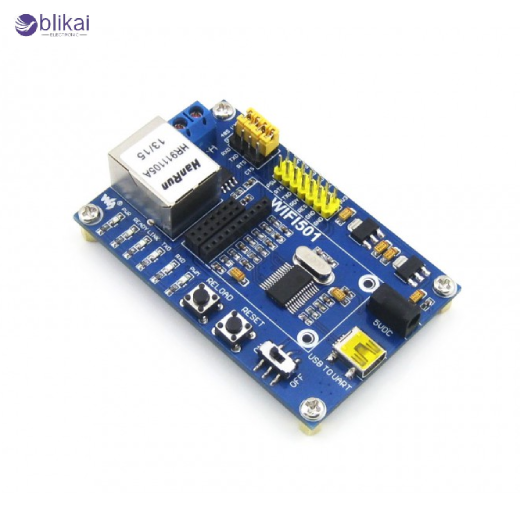
A wifi module is a very small electronic gadget that facilitates the connections of wirelessness to many electronic systems. These modules enable devices to use wireless networks to communicate without the use of a wired connection by incorporating wifi functions. The wifi modules have become important in IoTs, smart homes, industrial automation and consumer electronics, with easy connectivity, efficient data transfer, and simple integration. With the current development of wireless technology, wifi modules remain a vital aspect of a device in increasing its intelligence and flexibility as well as real-time communication.
Types of wifi Modules
Embedded wifi Modules
Embedded wifi modules integrate wifi functionality directly with microcontrollers, allowing easy deployment in smart devices. They are widely applied in IoT devices: sensors, smart plugs, and wearable electronics. Their primary benefit is that their development is not complicated because they do not require extra hardware or a sophisticated networking configuration.
Standalone wifi Modules
Separate wifi modules are independent units that have the ability to communicate with external microcontrollers or processors. These modules can be best utilized in projects that can have customizable control or can link to a variety of peripherals. They usually include sophisticated features such as a TCP/IP stack and an improved data management facility.
SoC wifi Modules
The wifi modules called System-on-Chip (SoC) are microcontroller, memory, and wifi integrated in one chip. This has minimized board space and increased power efficiency, which are applicable in non-large and portable devices. Applications that use SoC modules are smart cameras, Internet of Things hubs, and connected consumer electronics.
Key Features of wifi Modules
Wifi Standards
Wifi modules may operate under a number of wireless standards, including 802.11 a/b/g/n/ac/ax. These criteria are speed, frequency and communication protocols. Nevertheless, the existing modules that serve 802.11ac and 802.11ax have increased throughput, a minor decrease in latency, and simultaneous connections.
Frequency Bands
The modules of wifi normally work using 2.4 GHz and 5 GHz. The 2.4 GHz has superior coverage and penetration, whereas 5 GHz has a greater data rate and lower interference. The higher-end models are capable of working on dual-band.
Security Protocols
Wireless communication is vital in terms of security. Wifi modules have applications like WPA2 and WPA3, which are used to secure the information transmitted. A good encryption provides secure interconnections that avoid any unauthorized access and data leakages.
Low Power Modes
Devices that run on batteries need low power consumption. A lot of wifi modules have sleep modes, power-saving and dynamic frequency adjustments to consume less energy and still stay connected.
Technical Specifications
Data Rate and Throughput
The standard of wifi modules varies, and data rates are different according to the standard and design of the module. With increased throughput, data is transmitted faster, and this is critical in video streaming, real-time monitoring, and large data transfer in IoT applications.
Range and Coverage
The wifi modules have a variety based on the design of the antenna, the power output and conditions in the environmental place. Standard modules are usually 30-100 meters indoors, and high-power modules may go as far as several hundred meters in outdoor applications.
Antenna Type and Gain
Wifi modules have inbuilt or external antennas. The strength of the signal, coverage, and reliability of the antenna type, and gain largely depend on the type of antenna used. To achieve maximum performance, it is necessary that the designers also take into consideration the location and orientation.
Operating Voltage and Current
Wifi modules have low voltages, typically 3.3 V or 5 V. Existing consumption depends on activity - idle, transmitting or receiving. Effective management of power leads to the longevity of modules and energy saving.
Environmental Tolerance
Wifi modules are also capable of withstanding diverse temperatures and humidity. Industrial-grade modules often support -40°C to 85°C operation and offer protection against moisture and dust for harsh environments.
Typical Applications of wifi Modules
IoT Devices
IoT devices like smart thermostats, security cameras and health monitors have wifi modules. They are remote-controlled, real-time data collection and cloud-related to make users have better experiences. They are remote-controlled, real-time data collection, and cloud-related to enable users to have better experiences.
Industrial Automation
Wifi modules are used in factories and industrial environments to wirelessly monitor machines, anticipate maintenance and control automatic control systems. They reduce wiring complexity and increase system flexibility.
Consumer Electronics
The smart TVs, the home appliances and the wireless speakers are powered by the wifi modules to offer a seamless streaming functionality, the device-to-device connections, and the application controls. These modules render it convenient and easy to use.
Automotive Applications
Cars utilize wifi vehicles in telematics, infotainment and vehicle-to-everything (V2X) communications. Navigation, diagnostics and entertainment are provided with no delays in real-time transmission supported by wifi modules.
Advantages of wifi Modules
Wireless Communication
Wifi modules enable wireless communication between devices, eliminating the need for complex cabling. This attribute enables the devices to communicate with each other on-the-fly, thus making them suitable for the applications of IoT, smart home networks, and industrial automation. It is also easy to deploy devices in different environments because of wireless connectivity.
Easy Integration with Devices
The wifi modules are built so that they are easily integrated with the microcontrollers, sensors and other electronics. The design is ready-to-use, which minimizes the development time and effort let engineers concentrate on the software functionality and system design. This can be easily integrated, and it speeds up product development.
Flexible Deployment in Applications
The wifi modules are compatible with various standards and have applications that are supported by their size. They may be implemented in consumer electronics, industrial systems, and vehicles with connections providing flexibility in the indoor and outdoor settings. Adaptability is also increased by dual-band and low-power capabilities.
Remote Monitoring and Data Transfer
Devices can be remotely monitored and controlled using wifi modules. Real-time analytics, automation, and smart decisions can be supported by the collection and transmission of data to the cloud platforms or mobile apps. IoT ecosystems and monitoring systems on a large scale require this ability.
Reduced Wiring and Scalable IoT Ecosystems
Wifi modules can be installed to minimize physical wiring, making the installation of wifi modules relatively less complex and less expensive to the designers. They embrace scalable networks that can easily add more devices, and IoT systems can expand without a huge reconfiguration and without extra infrastructure.
Disadvantages of wifi Modules
Power Consumption
Wifi modules are power-intensive, especially when they are operating continuously or in high data transfers. In the case of battery-powered devices, low-power operation, like sleep mode, is a necessary power management strategy that helps to extend the life of the devices and remain economical.
Interference and Signal Reliability
It can be affected by interference from other wireless devices, physical barriers or network congestion, which affects wifi performance. Module placement, antenna orientation, and frequency selection should be thought out properly by designers to achieve stable communication and reduce data loss to a minimum.
Range and Environmental Constraints
There are intrinsic range limitations of wifi modules, which can be affected by a wall or a metal object and the environmental conditions. Industrial-grade modules or external antennas may be required for long-range or harsh-environment applications to maintain reliable connectivity.
Cost and Complexity Considerations
Advanced wifi modules of higher power with longer features, industrial or enhanced security, can add more cost to the project. Integration also involves appropriate firmware development, security configuration and hardware design, which further complicates the system design process.
Choosing the Right wifi Module
Some of the factors to be taken into account when choosing a wifi module would include the data rate, range, power consumption, and security protocols. Make sure that it is compatible with other microcontrollers and software platforms. Regulatory compliance requires certification (FCC, CE, etc.). Some of the integration tips are test antenna placement, optimizing the firmware, and stability of the power supply to achieve a constant performance.
FAQ
Can wifi modules operate without a microcontroller?
Single and SoC wifi modules may be used standalone, with data processing and networking tasks being done internally. Embedded wifi modules, on the other hand, need a microcontroller as a means of control and communication.
What is the difference between a wifi module and a wifi chip?
A wifi chip is a bare IC, which has to be connected with external elements to work, whereas a wifi module is a self-contained unit with its own built-in antenna, power circuitry, and firmware and can be deployed right away.
How can I improve the range of a wifi module?
To increase wifi module range, use high-gain or external antennas, reduce physical barriers, use two-band or wideband or high-power modules, and position devices well to reduce interference.
Some images are sourced online. Please contact us for removal if any copyright concerns arise.





